Do candles, air fresheners cause cancer?
Key takeaways:
- Burning candles releases toluene, which can cause mild irritation symptoms when exposed to in poorly ventilated areas, and benzene, which can increase cancer risk when exposed to directly and frequently.
- Air fresheners emit formaldehyde and acetaldehyde, which can both increase your cancer risk when exposed to in great quantities, but everyday use does not release enough of these chemicals to raise major health concerns.
- Candles and air fresheners are safe when used responsibly: Avoid burning candles for long stretches and keep fresh air circulating.
Candles and air fresheners are a favorite way to keep your home or room smelling nice and fresh. But while they may seem useful, some people question whether or not the vapors they release are harmful to your health.
These products generally don’t pose a significant cancer risk, but it’s still worth understanding what they emit into the air and how to use them safely.
Do candles increase my cancer risk?
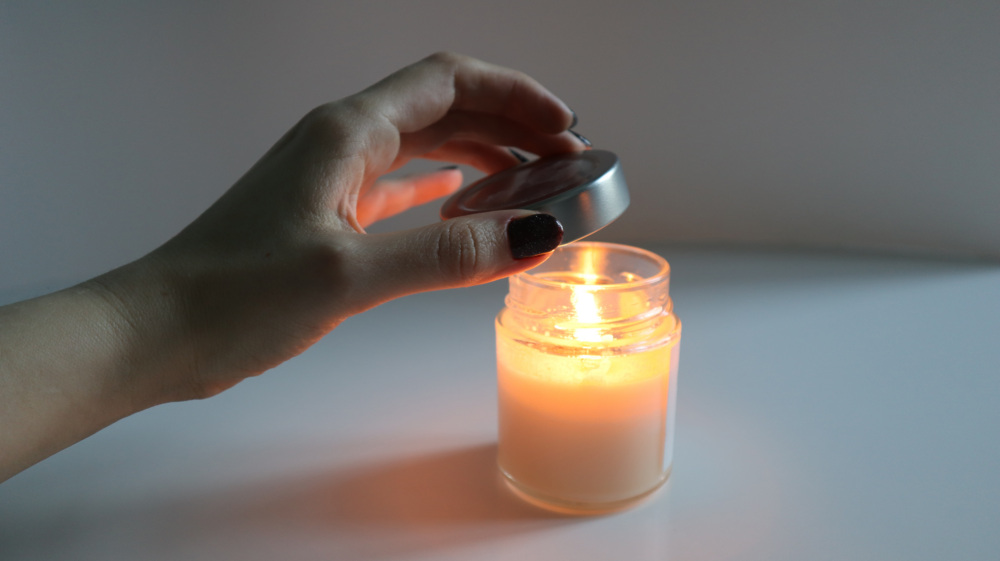
Burning candles releases hydrocarbons—compounds made of hydrogen and carbon—into the air, especially when burning candles made from paraffin wax. Two of the most common are toluene and benzene, both classified as volatile organic compounds (VOCs).
Toluene can be found in paint thinners and adhesives. It is not inherently dangerous, but when used in poorly ventilated areas, it can cause mild irritation in your eyes, nose, throat and skin—and in some cases may cause headaches or confusion.
Benzene is a gas that is mainly associated with smoke from wildfires, volcanoes, burning coal or oil, and tobacco cigarettes. Direct and frequent exposure to benzene has been linked to an increased risk of some cancers.
READ ALSO: What’s the link between wildfires and cancer?
The good news is that the levels released from typical household candles are far too low to be considered dangerous. Enjoying a candle for a short period won’t cause cancer, but it’s wise to avoid burning them for long stretches and to keep fresh air circulating. While some candles include a suggested burn time on the label, a good general guideline is to avoid burning any one candle for longer than four hours straight.
Do air fresheners increase my cancer risk?
Air fresheners come in all sorts of varieties, like aerosol spray cans, wall outlet plug-ins or hanging dispensers that vaporize scent into the air. Each of these fresheners can emit VOCs similar to candles.
Formaldehyde and acetaldehyde are two other VOCs that are released into the air when you use an air freshener. Both of these chemicals are carcinogenic, meaning they can increase your risk of cancer when exposed to in great quantities. But similar to candles, everyday use of household air fresheners does not release enough of these chemicals to raise major health concerns. The key is moderation and good ventilation.
Still worried? Here are some alternatives.
Candles and air fresheners are safe when used responsibly. Still, if you’d prefer to switch up the way you freshen up your space, there are alternatives that you can consider.
RELATED: How to create a smoke-free environment
The whole ball of wax: Some candles are made with beeswax, soy or other plant-based waxes rather than paraffin wax. Check out all your options!
Fresh as a daisy: Certain plants like jasmine, roses or lilies emit similar scents to most candles and air fresheners. Other plants like ferns can actually improve indoor air quality by absorbing VOCs.
Regardless of what product you use to keep your home smelling sweet, avoid burning or diffusing scents in poorly ventilated areas, and be mindful around people with asthma, allergies or other respiratory sensitivities. Fresh air provides our bodies with the most oxygen, helping us feel our best and stay healthy.