सभी आयु वर्ग: मासिक स्व-जांच
उपयोग त्वचा कैंसर के ABCDE मेलेनोमा के संभावित लक्षणों के लिए महीने में एक बार अपनी त्वचा की जांच करवाएं। अगर आपके पास कोई तिल है जो आपको चिंतित करता है, तो तुरंत अपने स्वास्थ्य सेवा प्रदाता से मिलें।
Skin cancer is the most common cancer diagnosis in the U.S. and is one of the most preventable cancers. It includes non-melanoma skin cancers—basal cell or squamous cell carcinoma—as well as malignant melanoma. Most skin cancers are caused by damage from the sun’s ultraviolet (UV) radiation. Melanoma is the most dangerous type of skin cancer.
Early Detection = Better Outcomes®, so it’s important to get checked, reduce your risk, and talk with your health care provider about your health history.

त्वचा के रंग की परवाह किए बिना, हर किसी को त्वचा कैंसर का खतरा रहता है।
उपयोग त्वचा कैंसर के ABCDE मेलेनोमा के संभावित लक्षणों के लिए महीने में एक बार अपनी त्वचा की जांच करवाएं। अगर आपके पास कोई तिल है जो आपको चिंतित करता है, तो तुरंत अपने स्वास्थ्य सेवा प्रदाता से मिलें।
यह अच्छा विचार है कि आप हर साल किसी स्वास्थ्य देखभाल प्रदाता से अपनी त्वचा की जांच करवाएं।
Skin cancer can be harder to identify on darker skin tones as compared to on light or fair skin tones. If you have darker skin, it’s a good idea to have your skin checks done by a health care provider, like a dermatologist, who is experienced in identifying skin cancer on all skin tones and knows what to look for.
Under federal law, private insurers and Medicaid are required to cover services that have an “A” or “B” grade by the U.S. Preventive Services Task Force (USPSTF). Some insurers may choose to cover services for additional groups. Medicare coverage for preventive services is limited to tests for which Congress has explicitly authorized coverage.
The USPSTF gives annual skin cancer checks an “I” rating, standing for “insufficient evidence”—they don’t recommend for or against an annual skin check. As a result, your insurance may or may not cover an annual visit to the dermatologist. If a visit to the dermatologist is not financially feasible, you can also get your skin checked by your primary care provider at your annual check-up.
Always check with your insurance provider to find out if you’ll be covered for routine skin cancer screening.
महीने में एक बार अपनी त्वचा पर संदिग्ध मस्से की जांच करवाना तथा किसी भी असामान्य बात की सूचना अपने स्वास्थ्य सेवा प्रदाता को देना महत्वपूर्ण है।
ABCDE नियम के बारे में अधिक जानेंआपको त्वचा कैंसर होने का खतरा बढ़ जाता है यदि:
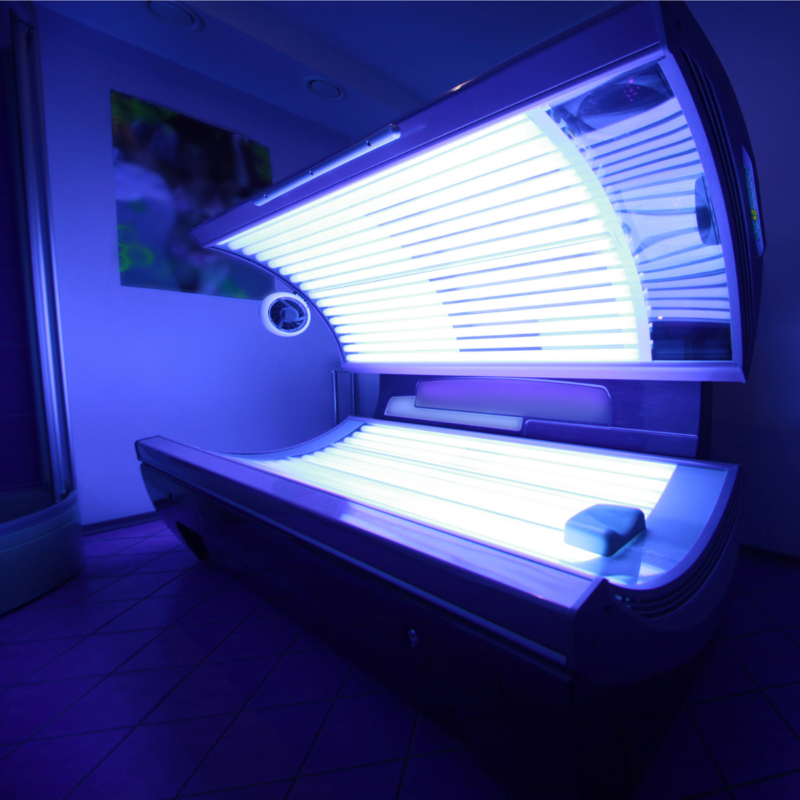
आप जीवनशैली से संबंधित इन बदलावों के माध्यम से त्वचा कैंसर के जोखिम को कम कर सकते हैं:

क्या आपको विटामिन डी के लिए सूर्य के प्रकाश की आवश्यकता है? कुछ विशेषज्ञों का कहना है कि विटामिन डी को धूप से प्राप्त करने के बजाय भोजन या सप्लीमेंट से प्राप्त करना बेहतर है। विटामिन डी और अपने स्वास्थ्य के बारे में अपने स्वास्थ्य सेवा प्रदाता से बात करें।

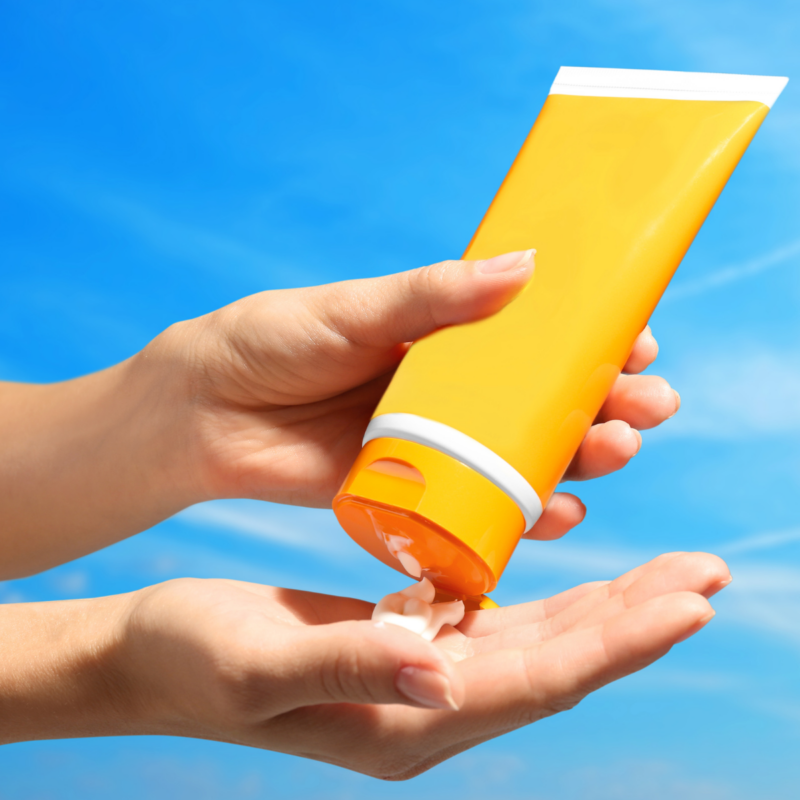
अगर आप धूप में रहते हैं, तो हर दो घंटे में इसे फिर से लगाएँ, यहाँ तक कि बादल वाले दिनों में भी। अपनी त्वचा को सिर्फ़ गर्मियों में ही नहीं, बल्कि पूरे साल अत्यधिक धूप से बचाएँ।

सुनिश्चित करें कि आपके धूप के चश्मे अच्छी तरह से फिट हों और UVA और UVB किरणों से 99-100% सुरक्षा प्रदान करें (इन पर UV400 रेटिंग अंकित होगी)।


अगर आप धूप में रहते हैं, तो हर दो घंटे में इसे फिर से लगाएँ, यहाँ तक कि बादल वाले दिनों में भी। अपने होठों को सिर्फ़ गर्मियों में ही नहीं, बल्कि पूरे साल धूप से बचाएँ।

किसी भी त्वचा परिवर्तन के बारे में अपने स्वास्थ्य देखभाल प्रदाता से मिलें या वार्षिक त्वचा जांच करवाएं।


Talk to your health care provider if you have a high number of actinic keratosis (rough, scaly precancerous skin patches). There are treatments and/or medications your health care provider can prescribe to reduce the risk these become cancerous.
Use the ABCDEs of skin cancer to check your skin once a month for possible signs of melanoma. You could also show signs of non-melanoma skin cancers. If you have a suspicious mole or any of the following symptoms, see a health care provider right away:
उपचार त्वचा कैंसर के प्रकार, रोग की अवस्था और आपकी चिकित्सा स्थिति पर निर्भर करता है।
The most common treatment for skin cancer is surgery to remove the cancerous cells.
यह एक ऐसा उपचार है जिसमें कैंसर कोशिकाओं को मारने के लिए दवाओं का उपयोग किया जाता है। इसका उपयोग अकेले या सर्जरी से पहले या बाद में किसी अन्य थेरेपी के साथ संयोजन में किया जा सकता है।
इस उपचार में कैंसर कोशिकाओं को मारने और ट्यूमर को सिकोड़ने के लिए विकिरण की उच्च खुराक का उपयोग किया जाता है। इसका उपयोग अकेले या सर्जरी से पहले या बाद में किसी अन्य थेरेपी के साथ संयोजन में किया जा सकता है।
इस प्रकार का कैंसर उपचार आपके प्रतिरक्षा तंत्र को कैंसर के प्रति बेहतर प्रतिक्रिया करने में मदद करता है ताकि असामान्य कोशिकाओं का पता लगाया जा सके और उन्हें नष्ट किया जा सके। इसका उपयोग अकेले या सर्जरी से पहले या बाद में किसी अन्य थेरेपी के साथ किया जा सकता है।
How do you know which sunscreen to choose, and what do the different terms on the label mean? We’re breaking down sunscreen terms so you can make the best choice for you.
और अधिक जानें