Red 40 dye is bad for your health, but does it cause cancer?
Key takeaways
- The cancer risk from Red 40 is uncertain but concerning.
- Red 40 and other synthetic dyes offer no nutritional value—and they’re being phased out because of growing health concerns.
- Eating a plant-based diet with little to no processed food containing synthetic dyes is one way to reduce your risk of cancer.
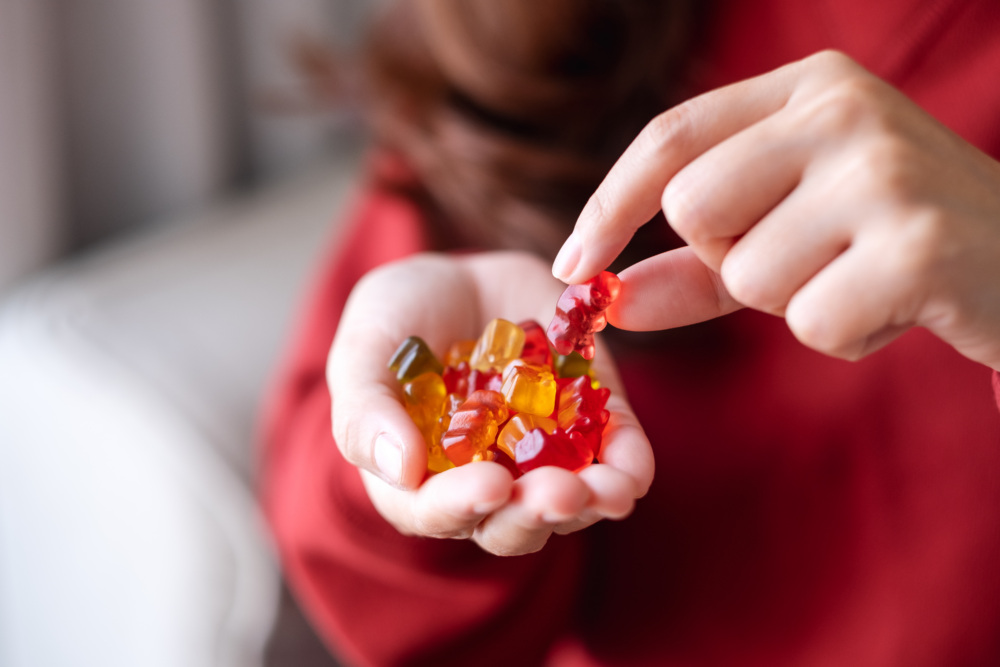
Gummy bears on your ice cream. Nostalgic cereal from your childhood. Fruit punch at a birthday party. It’s likely that some of your favorite foods from growing up—and maybe even today—get their bright, eye-catching colors from artificial dyes like Red 40.
In recent years, these synthetic dyes have come under increased scrutiny, with headlines linking them to everything from behavioral changes to cancer risk. But what does the science actually say? And how concerned should you be?
What is Red 40?
Red 40 is a common synthetic food dye made from petroleum. It gives a vibrant red hue to a variety of processed and ultra-processed foods, cosmetics and even medications. Red 40 is one of the most widely used food dyes and can be found in many processed, packaged foods, such as:
- Candy
- Cakes and frosting
- Cereals
- Chips and other salty snack foods
- Energy drinks
- Ice cream
- Popsicles
- Soda
Can Red 40 cause cancer?
The short answer: Maybe.
Red 40 is not currently classified as a carcinogen—a substance that can cause cancer—by the Food and Drug Administration (FDA) or any other major regulatory body. But many synthetic food dyes are being phased out because of the public’s growing concern that they could have a negative effect on our health.
According to the Cleveland Clinic, Red 40 contains trace amounts of p-Cresidine and benzene, two known carcinogens. But the small amounts of these chemicals found in the dye make it difficult to know for sure if they pose a serious risk.
A 2023 study from the medical journal Toxicology Reports suggests high levels of synthetic food dyes—including Red 40—may contribute to DNA damage, inflammation or tumor development. But because many studies are typically conducted on animals or cells, not people, they often use doses of dyes much higher than a human would consume in a typical diet. Therefore, it’s still unclear how these findings translate to real-world cancer risk for people.
Because bright colors can influence how we perceive taste and flavor, these dyes may encourage a preference for highly processed foods, particularly those that are also high in added sugar. Processed foods can elevate your risk of developing cancer, which is why leading public health organizations, including the Prevent Cancer Foundation and the American Cancer Society, encourage low consumption of these foods to minimize long-term risk.
Overall, research is still evolving, and scientists are continuing to study the long-term effects of regular consumption of foods with Red 40.
READ ALSO | 6 cancer-fighting foods worth adding to your diet
What other health concerns are associated with Red 40?
In addition to its possible links to cancer, Red 40 is known to trigger hyperactivity and behavioral changes in children with attention-deficit/hyperactivity disorder (ADHD). The Cleveland Clinic reports that while Red 40 doesn’t cause ADHD, it can make those who have ADHD more sensitive to the dye, causing hyperactivity or behavioral changes. If your child has ADHD and you are concerned about how Red 40 could be affecting their health, talk to your child’s pediatrician.
Synthetic food dyes are created for purely aesthetic purposes. They do not provide any nutritional value and are often used to make foods look more appealing—especially in products marketed to children.
What about other synthetic food dyes?
Other dyes, such as Red 3, have shown stronger links to cancer, but primarily in animal studies. The FDA banned Red 3 in January 2025 after research found it caused tumors in lab rats. While the same effect hasn’t been clearly demonstrated in humans, it was banned because U.S. law does not allow the FDA to authorize food or color additives if they have been found to cause cancer in humans or animals.
Is anything changing with Red 40 or other food dyes?
Change has already been underway in some areas of the country. In 2024, California became the first state to prohibit public schools from serving foods containing six artificial dyes, including Red 40.
In April 2025, the Department of Health and Human Services and the FDA announced plans to phase out all petroleum-based synthetic dyes by 2028. This includes Red 40, which should be eliminated from U.S. food supply by the end of 2027.
READ ALSO | What we know about nutrition & cancer
Should I avoid Red 40 in the meantime?
Yes. Red 40 and other synthetic dyes are created for the sole purpose of making processed foods visually appealing. They do not provide any nutritional benefits, and it’s a good idea to keep them out of your diet to reduce any potential risks. But synthetic food dyes are found in almost all packaged, processed foods, making them difficult to avoid.
On food labels, Red 40 may be listed as:
- Red 40
- Red 40 Lake
- FD&C Red No. 40
- FD&C Red No. 40 Aluminum Lake
Read food labels at the grocery store or in your pantry and look for dye-free alternatives when you can. It’s best to avoid processed foods and eat a plant-based diet filled with fruits, vegetables, beans and whole grains. And we know, it’s easier said than done! But a healthy diet with limited processed foods—and therefore fewer synthetic dyes—is one of the many ways you can lower your cancer risk at any age.