Nicotine pouches and cancer risk: What to know
Key takeaways:
- Nicotine pouches are small, gum‑sized packets containing nicotine, the addictive substance found in tobacco, and are marketed as discreet, “cleaner” alternatives to chewing tobacco.
- There are no data currently on nicotine pouches and their impact on oral or colorectal cancer risk, but they can affect your overall mouth and gut health and you should avoid nicotine products entirely.
- Young people are vulnerable to the effects of nicotine and tobacco and are more susceptible to addiction. Using nicotine pouches at a young age could lead to lifelong use.
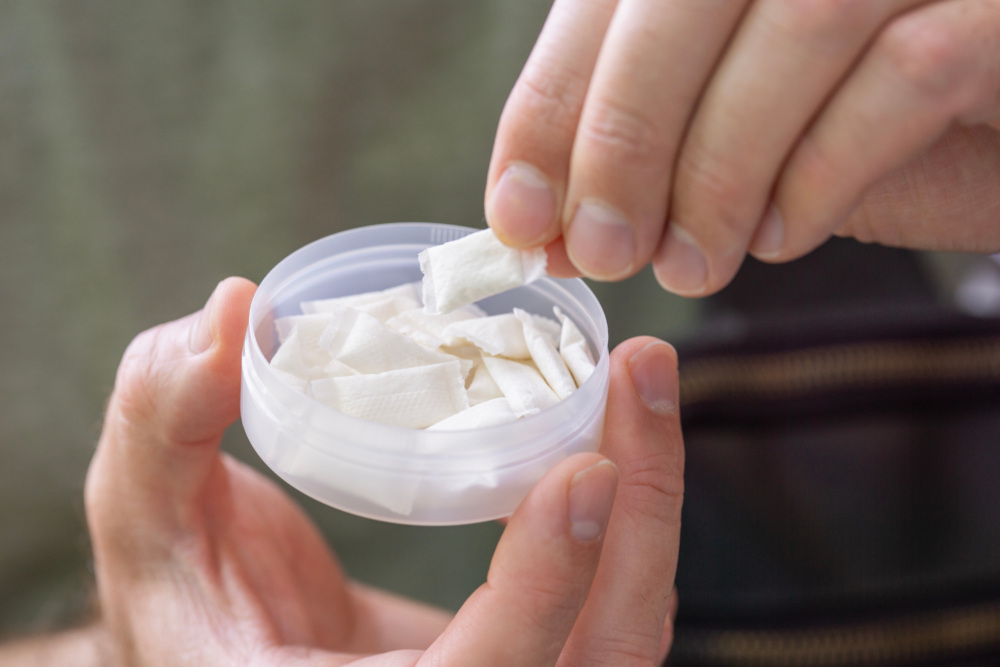
Nicotine use is changing—and one of the fastest-growing trends is nicotine pouches. These small packets are marketed as a discreet, “cleaner” alternative to chewing tobacco. Users place them between their gum and cheek, where nicotine and added flavorings dissolve and absorb into the mouth.
But there’s nothing clean about these products. Popular brands like Zyn, ON and Velo have been marketed as convenient, smoke-free alternatives, but nicotine pouches pose real health risks—including the risk of cancer.
What are nicotine pouches and how do they work?
Nicotine pouches are small, gum‑sized packets filled with chemicals, including nicotine, the addictive substance found in tobacco. A 2022 study found they contain cancer‑causing chemicals and other harmful substances such as ammonia, chromium, formaldehyde, nickel and various pH adjusters.
Many pouches also contain nicotine salt, a solution that reduces the burning sensation that comes with ingesting high amounts of nicotine. When the pouch mixes with saliva, nicotine and flavorings are released and absorbed through the lining of your cheeks and gums.
These small, convenient and flavorful pouches can deliver a strong buzz—and their popularity is growing, especially among younger people. According to the National Youth Tobacco Survey, in 2024, 480,000 young people in the U.S. reported using nicotine pouches, which doubled from 2021.
But do these pouches increase cancer risk? The research is still emerging, but there are concerns around two cancer types: oral and colorectal cancers. Here’s what we know so far.
What’s the link between nicotine pouches and oral cancer?
Currently, there are no data on how nicotine pouches impact oral cancer risk, but it is possible these pouches could cause the same kind of oral health issues as other smokeless tobacco products. These issues could include cavities, gum recession, and lesions that could be precancerous and/or could become cancerous.
Nicotine itself is not a carcinogen (cancer-causing substance), but it does reduce saliva production, which normally protects the mouth from acids and bacteria. With less saliva in your mouth, your risk of tooth decay, cavities, gum recession, bad breath and leukoplakia (white patches in your mouth that are precancerous) can increase.
Because these changes in your mouth can develop at any time, regular dental checkups (twice per year) are important for everyone. Dentists routinely perform oral cancer screenings during these visits, which can help to identify potential problems early. But the most effective way to reduce your oral cancer risk, is to avoid nicotine products entirely.
RELATED: Ask the dentist: Your oral cancer questions, answered
What’s the link between nicotine pouches and colorectal cancer?
While there are no current data on nicotine pouches and colorectal cancer risk specifically, we do know nicotine can impact your gut health. Nicotine makes your gut move faster, which can trigger a sudden need to go to the bathroom.
Because nicotine speeds up the gut’s natural activity, it can cause temporary symptoms similar to colorectal cancer symptoms, such as bloating, abdominal cramps, nausea and/or vomiting, and more. The symptoms you experience are directly tied to how much nicotine reaches your digestive system.
READ ALSO: Here’s what a doctor says are common colorectal cancer early warning signs
We also know that long-term nicotine use, including using pouches, smoking, and vaping, can increase your risk of developing polyps (which can become colorectal cancer), stomach cancer, Crohn’s disease, ulcers and other gastrointestinal problems.
Although colorectal cancer routine screening for people of average risk begins at age 45, you should talk with your doctor at any age if you notice new or persistent digestive symptoms.
What other health concerns are linked to nicotine pouches?
Another major concern with nicotine pouches is how long‑term use may influence nicotine habits. According to a study from by Truth Initiative and published in Preventive Medicine Reports, most young people who use nicotine pouches are also smoking cigarettes. For those who don’t currently smoke or vape, these pouches may act as a gateway to future nicotine use.
Studies show young people are especially vulnerable to the effects of nicotine and tobacco. Adolescence is a critical period for brain development, and nicotine use can disrupt and damage developing neural pathways, making young people more susceptible to addiction. That means that kids, teens and young adults who use nicotine pouches are also more likely to use nicotine later in life—and they may seek that nicotine from other products, such as cigarettes.
Cigarette smoking dramatically increases the risk of many cancers and is the leading cause of lung cancer. The good news: It’s never too late to quit, and quitting any nicotine product can reduce your cancer risk over time.
No nicotine product is risk-free. Avoiding these products entirely and staying informed about their dangers remain the most effective ways to protect your long-term health and reduce your cancer risk.