Your questions on precancerous cells, answered
Key takeaways:
- Precancerous cells are cells that have differences in how they look or grow compared to normal cells.
- Having precancerous cells does not mean you have cancer—precancerous cells do not have the ability to invade nearby tissues or spread to other parts of the body.
- Precancerous cells can often be found through different routine cancer screenings. If you have precancerous cells, take the results seriously and plan next steps with your health care provider.
Early detection matters and finding cancer early can lead to better outcomes for your health. But what does it actually mean to detect cancer in its earliest stages?
With routine screening—like your Pap test, mammogram or colonoscopy—your health care providers are not always just looking for cancer itself. They are often also looking for any changes that can lead إلى السرطان.
These changes are called precancerous cells and identifying them is a chance to intervene before cancer even begins.
What are precancerous cells?
Precancerous cells are cells that have differences in how they look or grow compared to normal cells. When these cells form a group, mass or cluster, it’s called a precancer.
Precancerous cells are usually named based on where they are found in the body and the type of differences they have. Two common types of precancerous cells are dysplasia و hyperplasia.
Dysplasia means the cells are growing abnormally and their structure looks different under a microscope. Dysplasia can develop in places like the cervix, colon, rectum, mouth or skin.
Hyperplasia means there are more cells than usual in a tissue, but the cells themselves still look normal under a microscope and are not cancer cells. Common types include breast, endometrial (uterine) and prostate hyperplasia.
There are also polyps, or abnormal growths or bumps, that form on the lining of some organs—most often the colon or rectum, but also the nose, stomach or uterus. Some polyps can be benign (not cancerous), while others can contain precancerous cells like dysplasia.
How are precancerous cells different from cancerous cells?
Having precancerous cells does not mean you have cancer. One of the biggest differences between precancerous cells and cancerous cells is that precancerous cells do not have the ability to invade nearby tissues or spread to other parts of the body. Cancerous cells, on the other hand, can grow into surrounding tissues and invade distant areas of the body, sometimes far from where they originated.
Precancerous cells also tend to grow more slowly than cancerous cells. This is why detecting precancerous cells early matters—it gives health care providers the chance to monitor, remove or treat these cells before they progress or grow into cancer.
How are precancerous cells found?
Precancerous cells for multiple cancer types can be found through the following cancer screenings:
- Breast cancer: Mammograms, breast MRIs and breast ultrasounds can detect precancerous cells in breast tissue.
- Cervical cancer: Pap tests and human papillomavirus (HPV) tests can detect cervical precancerous cells.
- سرطان قولوني مستقيمي: Colonoscopies can detect and remove precancerous polyps (abnormal growths or bumps). A stool-based or blood-based test can also identify precancerous cells, but not as well as a colonoscopy.
- Oral cancer: Dentists can identify abnormal or precancerous cells during routine oral exams, which can take place at your regular cleaning.
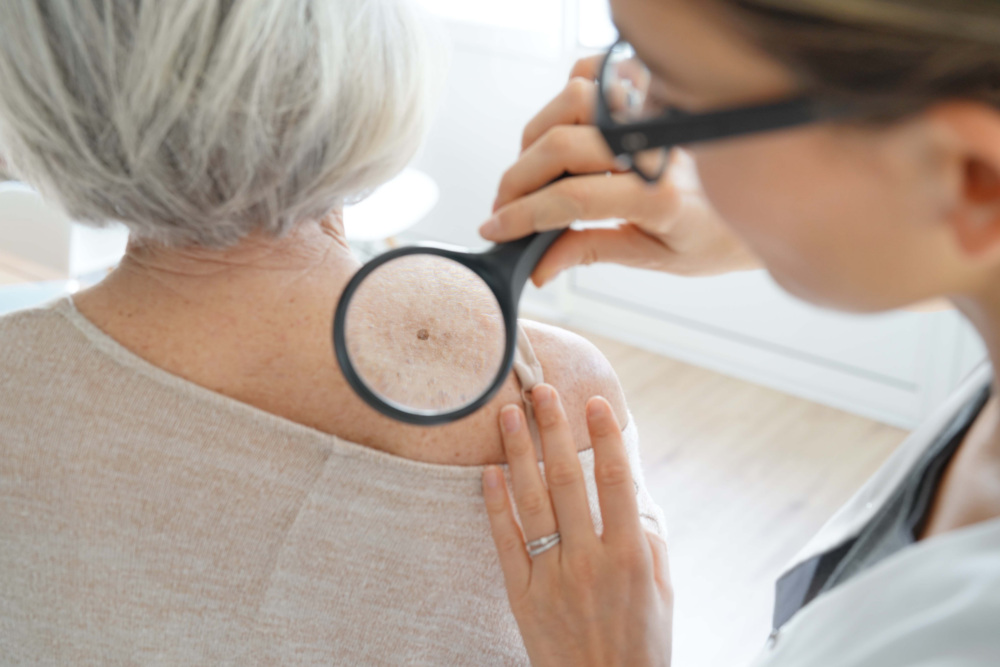
- سرطان الجلد: A health care provider or dermatologist can detect precancerous cells during a skin check.
Not all cancers have early detection methods or routine screenings options available to detect precancerous cells. In fact, fewer than 10 cancers have routine screenings or checks readily available to detect cancer at all—and some of them are unable to detect precancerous cells.
For example, we do not yet know how to directly identify prostate precancerous cells, but you can still detect prostate cancer early with a prostate-specific antigen (PSA) blood test and digital rectal exams.
It’s likely that precancerous changes occur in other parts of the body that aren’t routinely screened, but they often go undetected simply because we don’t yet have the tools to reliably find them early.
RELATED: Should I get screened for prostate cancer?
Talk with your doctor about whether screening and checks for other cancers, such as رئة أو testicular cancer, are right for you based on your personal risk factors.
Do precancerous cells always turn into cancer?
Not always. Whether precancerous cells turn into cancerous cells depends on many factors, including how the cells look under a microscope and how quickly they’re growing.
Cervical precancerous cells can take anywhere from three to seven years to turn into cancerous cells. A colorectal polyp can take nearly a decade to progress into cancer. But all precancerous cells are different and some can progress into cancerous cells faster than normal.
RELATED: I have a family history of cancer. When should I get screened?
Early detection matters at every stage. Because precancerous cells don’t usually cause symptoms, there’s no way to know when they would be found without routine screening.
What should I do if I have precancerous cells?
If your health care provider finds precancerous cells, it’s important to take the results seriously and plan your next steps. When possible, your provider will recommend removing or treating the cells before they can develop into cancer.
In other situations, your provider may suggest close monitoring. This could mean more frequent screenings or follow-up visits to make sure the precancerous cells are not changing or progressing.
Precancerous cells can sometimes grow back, even after treatment to remove the cells. That’s why it’s important to talk with your health care provider about an ongoing screening plan, even if the cells have been treated.
You can also think about steps to reduce your risk of developing precancerous cells in the future. Staying on top of your routine cancer screenings and knowing your personal risk can make a big difference. Be proactive when it comes to your health, and your future self will be glad you did.