Changes to childhood vaccine recommendations threaten progress in cancer prevention
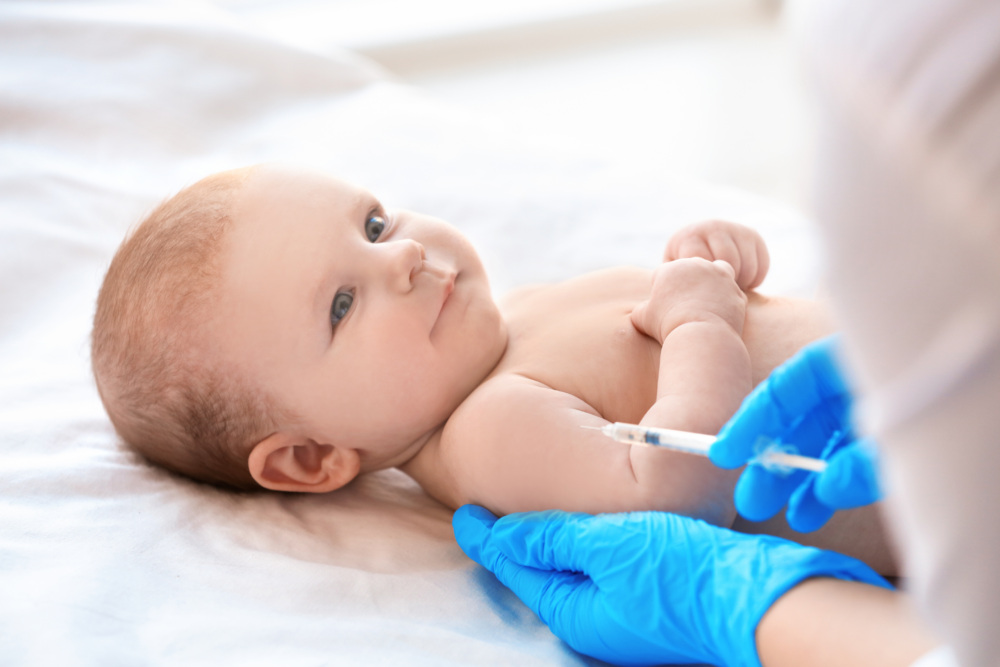
Yesterday, President Donald Trump signed an executive order to revamp current childhood vaccine recommendations, a decision the Prevent Cancer Foundation® strongly opposes for it undermines the proven role vaccines play in protecting public health and preventing certain cancers.
Vaccines are one of the most effective tools available to protect against serious diseases, including certain cancers. Vaccination against 人乳头状瘤病毒 (HPV) can prevent more than 90% of HPV-related cancers, while the 乙型肝炎 vaccine helps protect against the leading cause of 肝癌 worldwide.
While the HPV vaccine continues to be recommended universally, under the new order, the hepatitis B vaccine is only recommended for children considered to be at high-risk. This threatens progress in protecting all children from hepatitis B and liver cancer with a method that is effective and well-studied. Since universal vaccination at birth began in 1991, it has reduced infant hepatitis B cases by 95% and prevented an estimated 90,100 childhood deaths.1
Confusion about when and whether to get vaccinated could discourage families from pursuing preventive measures that can reduce the risk of certain cancers later in life. According to the Foundation’s 2026 Early Detection Survey, even though 79% of adults are aware the HPV vaccine can protect against certain cancers for children ages 9-15, less than half (48%) have administered the vaccine to their child.
In addition, the updated guidelines have the potential to deepen skepticism among those already lacking confidence in the health care system. More than one-third (36%) of survey respondents who are skeptical of the health care system said conflicting or unclear information contributes to their concerns. This reinforces the critical role health care providers play in building trust and providing simple, evidence-based information when it comes to vaccinations. Over half (51%) of respondents said clear, consistent and transparent communication from providers would help increase their trust in the health care system.
“We know that vaccines work and have led to a vast amount of progress in the fight against cancer,” says Allison Steinberg, MSN, MPH, Strategic Director of Cancer Prevention and Early Detection. “Shifting away from clear, widely understood recommendations risks creating a patchwork of guidance, leaving families unsure about when, whether or which vaccines are appropriate for their children. These uncertainties could reverse the progress we’ve seen, undoubtedly increasing health disparities and preventable deaths.”
The Prevent Cancer Foundation remains committed to educating the public about proven strategies to reduce cancer risk, including vaccination against cancer-causing viruses, and will continue to support evidence-based information that help stop cancer and save lives. We encourage families to speak with their health care providers about recommended vaccinations and the role they play in protecting both individual and public health.
August is National Immunization Month, the perfect time to learn more about vaccines and the steps you can take to protect against viruses, and ultimately, prevent cancer. For more information on the vaccines to keep you and your family healthy and ahead of cancer, read below:
- 病毒与癌症有关
- The HPV vaccine for kids: Everything parents need to know
- I’m a physician. Here are my patients’ most-asked questions about the HPV vaccine.
1Colbourne, J. (2025, October 20). Changing the hepatitis B birth dose recommendation: A critical look. National Foundation for Infectious Diseases. https://www.nfid.org/why-we-give-hepatitis-b-vaccines-to-infants/