多种癌症早期检测
覆盖范围和法律法规
如今, 建议定期检查 该疗法仅适用于 200 多种癌症类型中的少数几种,大多数癌症直到出现症状时才被发现,通常是在晚期。
预防癌症基金会支持立法承认我们在抗击癌症方面取得的新兴进展,确保医疗保险和医疗补助服务中心 (CMS) 能够对可以检测多种癌症的新型创新检测做出覆盖决定。
The Nancy Gardner Sewell Medicare Multi-Cancer Early Detection (MCED) Screening Coverage Act/Medicare Multi-Cancer Early Detection Screening Coverage Act was signed into law on February 3, 2026.
The law passed through both chambers of Congress as part of a bipartisan spending package that is funding multiple federal agencies through the remainder of FY 2026, including Labor, Health and Human Services (LLHS).
Over the last five years, the Prevent Cancer Foundation has proudly led more than 550 advocacy organizations to support the MCED Screening Coverage Act, reflecting widespread recognition of the urgent need for Medicare to have the ability to adopt innovative cancer detection technologies.
The MCED Screening Coverage Act has been championed by Representatives Jodey Arrington (R-Texas), Terri Sewell (D-Ala.), Richard Hudson (R-N.C.), Raul Ruiz (D-Calif.), Mariannette Miller-Meeks (R-Iowa) and Robin Kelly (D-Ill.), along with Senators Mike Crapo (R-Idaho), Michael Bennet (D-Colo.), Tim Scott (R-S.C.) and Ron Wyden (D-Ore.).
什么是南希·加德纳·塞维尔联邦医疗保险多癌症早期检测筛查覆盖法案和联邦医疗保险多癌症早期检测筛查覆盖法案?
The Nancy Gardner Sewell Medicare Multi-Cancer Early Detection Screening Coverage Act and the Medicare Multi-Cancer Early Detection Screening Coverage Act are bills that modernize the Medicare program and create a benefit category for MCED tests, which will allow the Centers for Medicare and Medicaid Services (CMS) to initiate an evidenced-based coverage process for multi-cancer tests upon approval of the tests by the Food and Drug Administration (FDA).
The House bill (H.R. 842) was introduced with bipartisan support on January 31, 2025, and its Senate companion (S. 339) was introduced on January 30, 2025.
How does the MCED legislation work in practice?
The Multi-Cancer Early Detection Screening Coverage Act modernizes the Medicare program and creates a benefit category for MCED tests, which allows the Centers for Medicare and Medicaid Services (CMS) to initiate an evidenced-based coverage process for multi-cancer tests upon FDA approval.
该法案是根据 1997 年平衡预算法案中的结直肠癌和前列腺癌筛查法案起草的,该法案为结直肠癌和前列腺癌筛查测试设立了覆盖福利,并授予卫生与公众服务部 (HHS) 部长权力为这些癌症的新筛查技术提供覆盖。
为什么需要 FDA 批准?
《多癌种早期检测筛查覆盖法案》适用于筛查测试,而非诊断。诊断测试通常由医疗保险覆盖,无需国会采取行动,但要通过国家覆盖范围确定获得医疗保险覆盖,筛查测试必须符合“福利”类别。(根据《平价医疗法案》,医疗保险还必须覆盖美国预防服务工作组评为“A”或“B”级的常规癌症筛查测试。)
《多种癌症早期检测筛查覆盖法案》以国会授权医疗保险覆盖乳腺癌筛查的乳房 X 线摄影、宫颈癌筛查的巴氏试验以及结直肠癌和前列腺癌筛查测试(所有这些检查都需要获得 FDA 批准)的先例为基础。
CMS 的癌症筛查全国覆盖范围决定仅覆盖 FDA 批准的测试,包括 Cologuard(结直肠癌筛查)、人乳头瘤病毒 (HPV) 测试以及最近的基于血液的结直肠癌筛查生物标志物测试。
根据此先例,MCED 测试需要获得 FDA 批准才能被考虑纳入全国覆盖范围。
为什么不为所有新的癌症筛查建立覆盖机构?
《多癌种早期检测筛查覆盖法案》并不妨碍为新的单一癌种筛查测试建立覆盖范围的任何其他努力。该政策专注于多癌种检测,因为这是覆盖障碍最为严重的领域。新的多癌种早期检测测试可以通过为我们现有的癌症筛查库添加额外工具来最大限度地提高癌症检测率。通过为 MCED 测试建立覆盖权限,国会可以推动多癌种筛查的进一步发展。
现有筛查的覆盖范围或费用分摊是否受到 MCED 立法或这些测试的影响?
不会。现有的筛查可以挽救生命,重要的是患者继续遵循现有的筛查建议并享受零费用分摊。因此,立法规定现有筛查的覆盖范围不应受到影响。
What are the benefits of passing legislation before FDA approval of these tests?
Passing legislation can be a lengthy process. If Congress waited to introduce legislation until tests are approved by the FDA, patients would be waiting several years before they can access the tests while the legislative process moves forward. By passing legilation now, we hope CMS can be ready once tests are approved by the FDA to prevent significant delays to patient access.
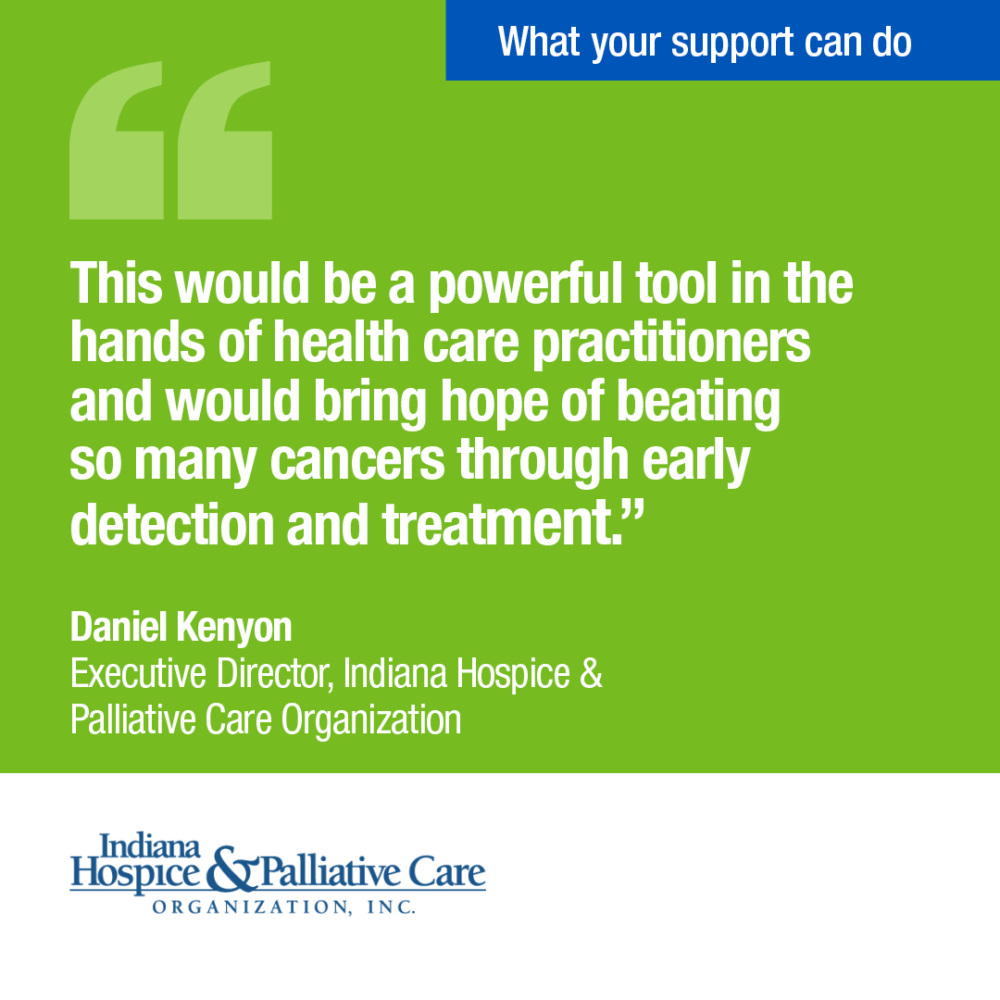
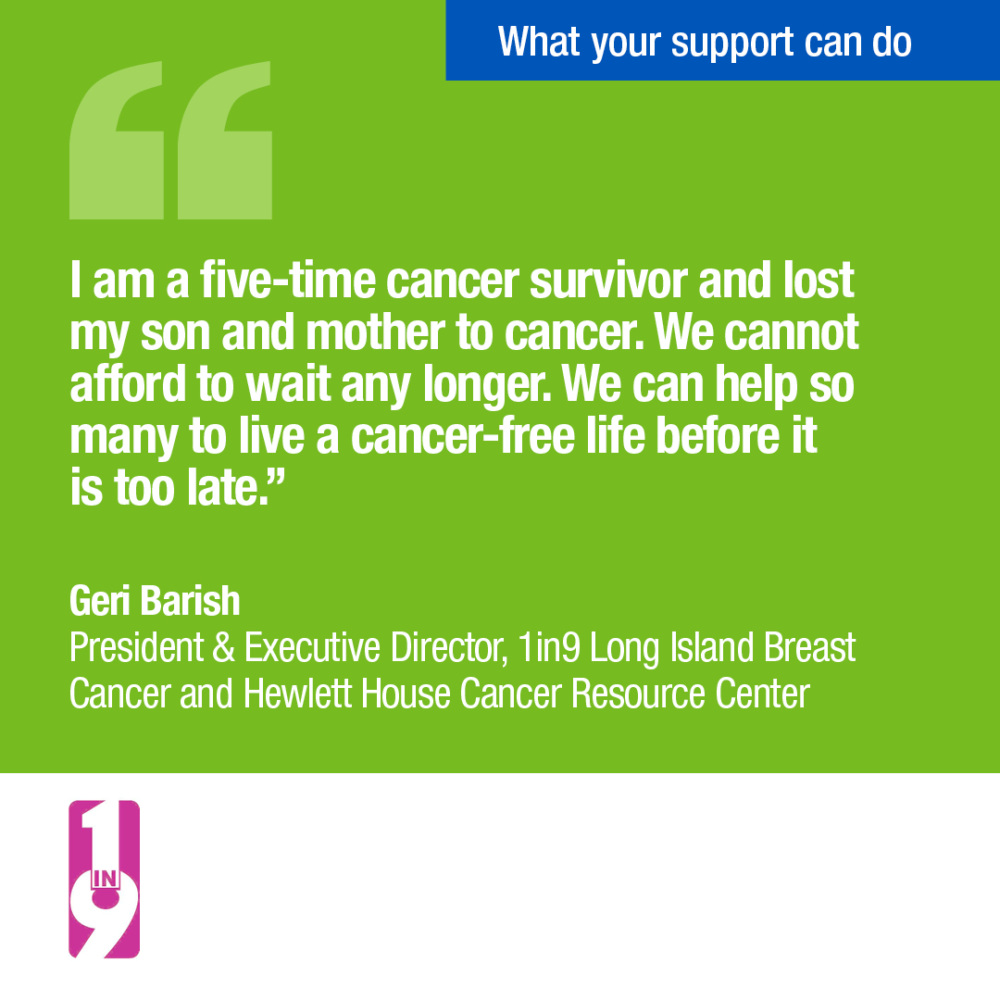
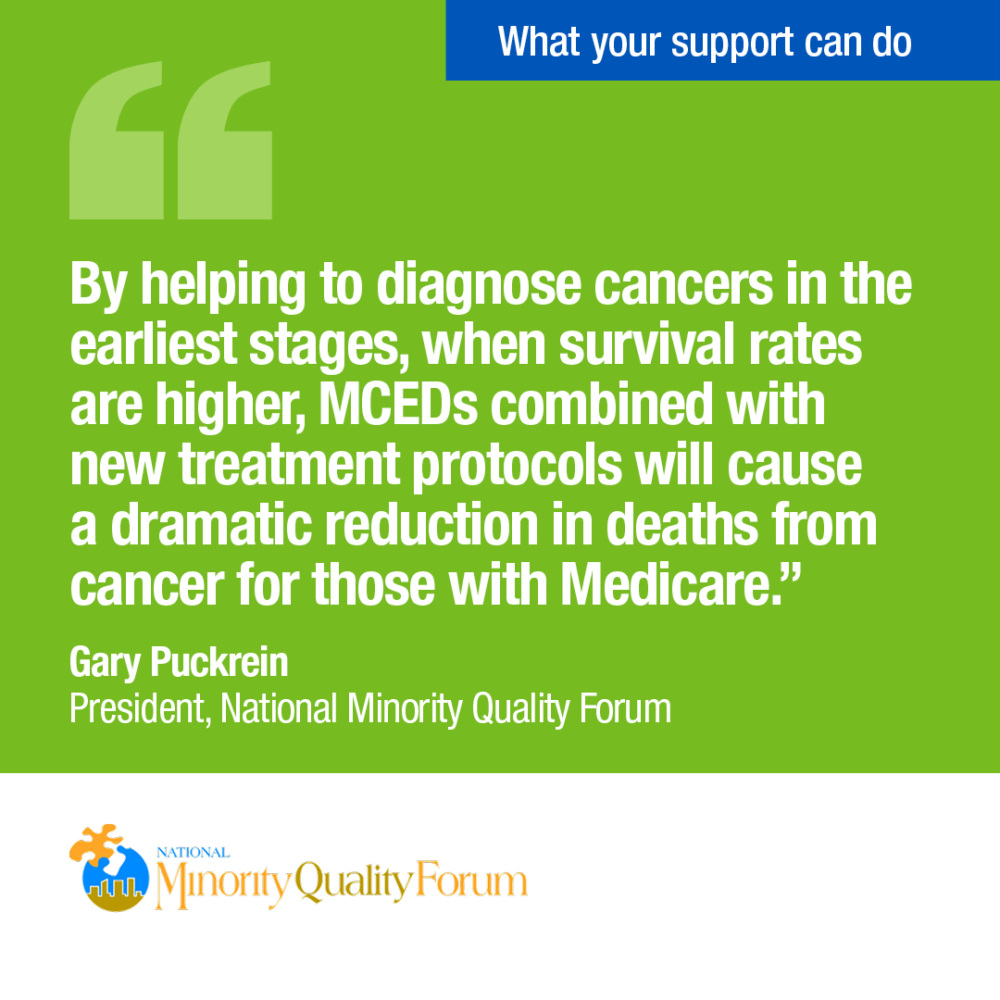
该法案的支持者怎么说