What to know about lung cancer after Pope Leo’s diagnosis
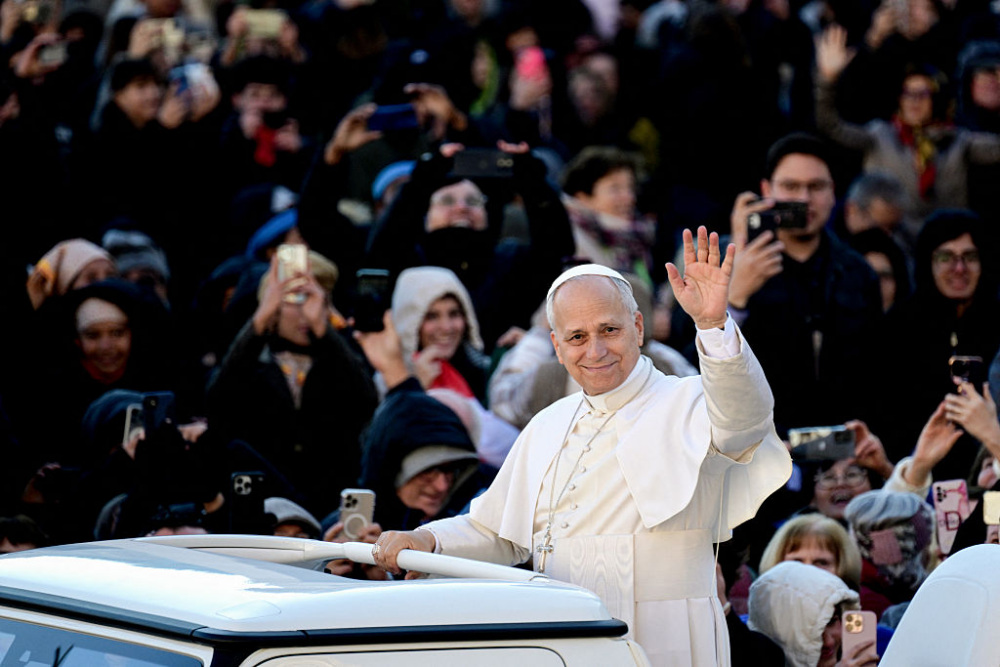
After Pope Leo XIV underwent surgery to remove the lower lobe of his right lung, the Vatican announced that he had been diagnosed with adenocarcinoma, a form of 肺癌. Reports say his cancer was found early, before it spread to other parts of the body, and the surgery was completed successfully.
This news about the leader of the Catholic Church is shining a light on lung cancer—a cancer that continues to be highly stigmatized and has the lowest screening rates of any routine cancer screening.
Despite its link to cigarette smoking, lung cancer is not limited to people who smoke—anyone can get lung cancer. Here’s what you need to know.
症状
There are usually no symptoms of lung cancer in early stages. When present, some people experience symptoms that can include:
- 咳嗽持续不缓解或加重
- 咳血
- Constant or intermittent and unexplained chest pain
- 反复肺炎或支气管炎
- 体重减轻和食欲不振
- 声音嘶哑持续很长时间
- 喘息或呼吸短促
- 一直感觉很累
Talk with your health care provider right away if you have any of these symptoms.
另请阅读 | 我没有感染新冠肺炎,我得的是肺癌:金的故事
筛查
Lung cancer screening is currently limited to people who are at increased risk due to a history of smoking cigarettes. If you smoke cigarettes or used to smoke cigarettes, talk to your doctor about getting screened with a low-dose CT scan, an easy and painless screening procedure. Low-dose CT scans are fast and utilize up to 90% less radiation than traditional CT scans.
Lung cancer screening is recommended for people ages 50-80 who have at least a 20 包年历史 of smoking cigarettes.
治疗
Treatment depends on a variety of factors, including the type of tumor cells, the stage of the cancer, the presence or absence of certain proteins or genetic mutations, and your medical condition.
Treatment options can include surgery (the usual treatment for early stages of lung cancer), chemotherapy, radiation therapy, immunotherapy, or targeted therapy.
哪些人的风险较高?
Smoking cigarettes is the leading cause of lung cancer; about 80-90% of lung cancer deaths are linked to cigarette smoking. But it is not the only factor that increases your risk. It is important to be aware of all your personal risk factors and to discuss them with your health care provider.
如果您符合以下情况,则罹患肺癌的风险较高:
- Smoke or have a history of smoking—even if you quit a long time ago.
- 严重接触二手烟。
- 暴露于室内或室外空气污染中。
- 曾经从事过接触辐射的工作。
- 接触某些有毒物质,例如砷、氡或石棉。
- 有肺癌个人病史或家族病史。
我怎样才能降低风险?
It’s important to understand that even if you are engaging in high-risk behaviors, such as smoking, no one deserves lung cancer. If you smoke or used to smoke, the most important thing is to talk to your health care provider so you can get screened and have the best chance at a healthy future.
It’s never too late to quit. Quitting smoking has near-immediate benefits to your cancer risk and overall health.
You may also reduce your risk of lung cancer through these lifestyle-related modifications:
- Avoid all forms of tobacco.
- 远离二手烟。
- 多吃水果和蔬菜。
- Consult with your health care provider before taking any supplements.
- 让您的家和社区无烟。
- 检测家里的氡气。
Remember, anyone can get lung cancer, but Early Detection = Better Outcomes. Know your risk factors and talk to your health care provider about what you can do to stay ahead of lung cancer.
阅读更多 | 关于肺癌的 5 个误解