全年齢: 口腔がん検診
Your dentist may be able to detect some oral precancers and cancers early. Visit your dentist every six months for an oral cancer exam (along with your routine cleaning).
口腔がんは口のがんです。タバコとアルコールの使用は口腔がんの最も強い危険因子の一つです。
中咽頭がんは、舌の付け根や扁桃腺を含む喉の奥のがんを指します。中咽頭がんのほとんどは、ヒトパピローマウイルス (HPV) が原因です。 HPV と中咽頭がんの詳細については、ここをクリックしてください。
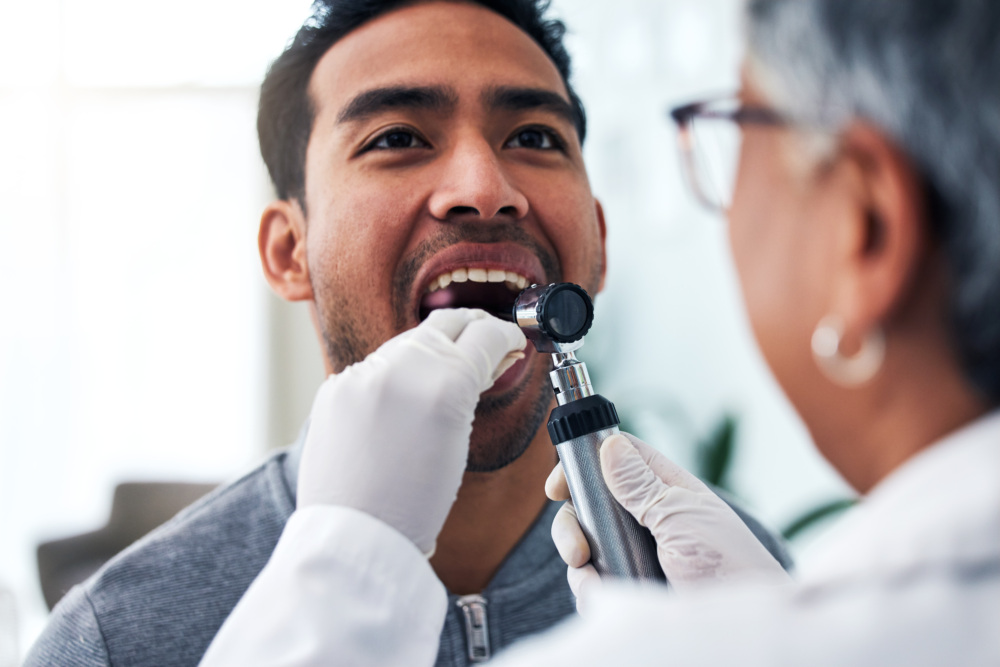
気づかないうちにすでに口腔がんの検査を受けているかもしれません。
If you are at average risk, follow these guidelines:*
*Source: American Dental Association (ADA)
Your dentist may be able to detect some oral precancers and cancers early. Visit your dentist every six months for an oral cancer exam (along with your routine cleaning).
Health insurance plans vary widely in whether they cover dental care. If you are on an employer-sponsored health care plan, they may offer separate dental coverage for you and/or your dependents. Check with your insurance company or your employer to see what’s covered for you.
Medicare does not cover routine dental visits.
Under federal law, Medicaid covers routine dental work for children and teenagers under age 21. Coverage for adults may vary by state—check with your insurance plan to see what’s covered for you.
以下の場合には口腔がんのリスクが高くなります。
次のようなライフスタイルの変更により、口腔がんのリスクを軽減できる可能性があります。

If you do use tobacco, quit. Quitting will have an immediate positive impact on your cancer risk.

がんのリスクを減らすには、アルコールを完全に避けるのが最善です。飲酒する場合は、出生時に女性と診断された場合は 1 日 1 杯まで、出生時に男性と診断された場合は 1 日 2 杯までに制限してください。

9~12 歳の若者は全員、HPV ワクチン接種を受ける必要があります。若いときに十分なワクチン接種を受けていない場合は、10 代および 26 歳までの若い成人にもワクチン接種が推奨されます。

The antioxidants in fruits and vegetables can help prevent DNA damage, and the phytochemicals and fiber have properties that can stop or slow the growth of cancer cells.


曇りの日でも、日光を浴びる場合は 2 時間ごとに塗り直してください。夏だけでなく、一年中、過度の日光曝露から肌を保護してください。

以下の症状に気付いた場合は、すぐに行動を起こして歯科医または医療提供者に相談してください。
治療法は、がんの種類と進行度、および病状によって異なります。
手術はがんとその周囲の組織を除去するための一般的な治療法です。
これは、薬剤を使用して癌細胞を殺す治療法です。手術の前または後に単独で、または他の治療法と組み合わせて使用される場合があります。
この治療法では、高線量の放射線を使用して癌細胞を殺し、腫瘍を縮小します。手術の前または後に単独で、または他の治療法と組み合わせて使用される場合があります。
This type of cancer treatment helps your immune system better respond to the cancer to detect and destroy abnormal cells. It may be used by itself or in combination with chemotherapy for oral cancer that is metastatic (has spread) or recurrent (has come back).
Patients with certain tumor characteristics or genetic mutations may be eligible for targeted therapy. Targeted therapy can be a drug or antibody that targets the proteins or genetic mutations that affect how cancer cells grow, divide and spread. It may be used alone or in combination before or after surgery.
Dr. Zoe Stenholm, a dentist at the University of Pittsburgh School of Dental Medicine, answers your top oral cancer-related questions.
もっと詳しく知る