肺癌

それは何ですか?

肺がんは肺で発生するがんです(ほとんどの人は 2 つの肺を持って生まれます)。誰でも肺がんになる可能性がありますが、いくつかの要因によってリスクが高まります。肺がんによる死亡者の約 80% ~ 90% は喫煙に関連しています。

Screening people who have a long history of smoking cigarettes significantly reduces lung cancer deaths, but despite being a non-invasive and quick procedure, current rates in the U.S. are just over 18% for those eligible*—the lowest of any routine cancer screening.

早期発見 = より良い結果®, so it’s important to get screened, reduce your risk, and talk with your health care provider about your health history.

*出典:アメリカ肺協会

Three senior women smiling in an outdoor pool. All three are resting their arms on the pool ledge and have goggles resting on the top of their heads.

検査を受ける

If you smoke cigarettes or used to smoke cigarettes, follow these screening guidelines.*

*Source: American Cancer Society

50~80歳: 低線量CTスキャン

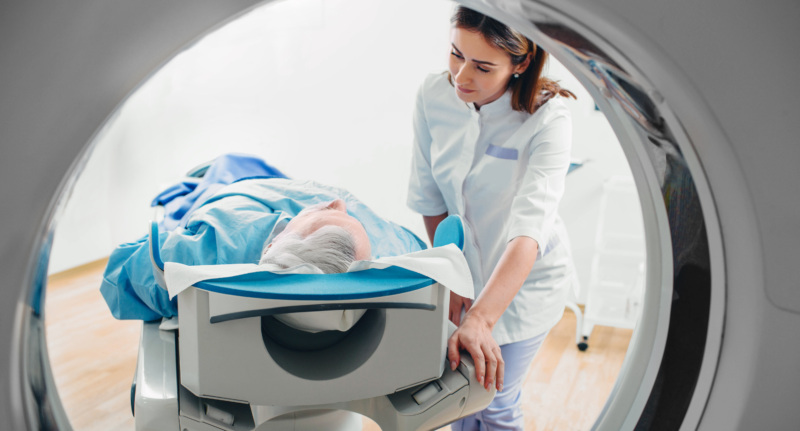
People who smoke cigarettes or used to smoke cigarettes may qualify for screening with a low-dose CT scan, an easy and painless screening procedure. Screening is recommended for those who have at least 20 pack-year histories of smoking cigarettes.

Low-dose CT scans are fast (taking less than a minute) and utilize up to 90% less radiation than traditional CT scans.

パックイヤー履歴とは何ですか?

「パック年履歴」とは、ある人が長期間にわたって喫煙してきた量の推定値です。毎日吸うタバコのパック数に、その量を吸った年数を掛けます。

1 日 1 箱を 20 年間続けると、20 パック年になります。1 日 2 箱を 10 年間続けると、やはり 20 パック年になります。 パック年が健康にどのように影響するかについて詳しく知る.

保険適用範囲

Under federal law, private insurers and Medicaid are required to cover services that have an “A” or “B” grade by the U.S. Preventive Services Task Force (USPSTF). Some insurers may choose to cover services for additional groups. Medicare coverage for preventive services is limited to tests for which Congress has explicitely authorized coverage.

Guidelines from the USPSTF recommend lung cancer screening for people ages 50-80 with 20 pack-year histories, who currently smoke cigarettes or who have quit within the past 15 years. American Cancer Society guidelines say it doesn’t matter when you quit.

Always check with your insurance provider to find out if you’ll be covered for routine lung cancer screening.

その他の喫煙の種類

肺がん検診の適格性は、喫煙の有無によって決まります。葉巻など、他の喫煙歴が長い場合は、肺がん検診について医療提供者に相談してください。検診が推奨されている場合は、保険が適用されるかどうかを保険会社に確認することをお勧めします。

Find a lung cancer screening near you

Screening is recommended based on age and cigarette smoking history. Use this tool to find a lung cancer screening location near you today.

始める

リスクを知る

以下の場合には肺がんのリスクが高くなります。

  • Smoke or have a history of smoking—even if you quit a long time ago.
  • 受動喫煙に多量にさらされた。
  • 屋内または屋外の大気汚染にさらされた。
  • 放射線にさらされる仕事をしたことがある。
  • ヒ素、ラドン、アスベストなどの特定の有毒物質にさらされた。
  • 個人または家族に肺がんの病歴がある。

リスクを軽減

次のような生活習慣の改善により、肺がんのリスクを軽減できる可能性があります。

Icon illustration of a cigarette with smoke coming from its tip and a large X over it indicating no smoking.

Avoid all forms of tobacco.

Icon illustration of a magnifying glass.

If you smoke cigarettes or used to, get screened for lung cancer based on guidelines and your personal risk factors.

Icon illustration of an adult head breathing in smoke from someone else's cigarette with a large X over the situation. It is indicating not to breathe in second-hand smoke.

受動喫煙を避けてください。

An icon illustration of an apple and a carrot.

果物や野菜をたくさん食べましょう。

The antioxidants in fruits and vegetables can help prevent DNA damage, and the phytochemicals and fiber have properties that can stop or slow the growth of cancer cells.

Icon illustration of a bottle of vitamins.

Consult with your health care provider before taking any supplements.

Beta-carotene, lutein, vitamin A, and vitamin B6 and B12 supplements may increase the risk of lung cancer.

Icon illustration of a house.

自宅と地域社会を禁煙にしましょう。

Icon illustration of a radon detector.

自宅のラドンを検査してください。

兆候と症状

There are usually no symptoms in the early stages of lung cancer. Talk with your health care provider right away if you have any of these symptoms, even if you have none of the risk factors listed:

  • 咳が治まらない、または悪化する
  • 血を吐く
  • Constant or intermittent and unexplained chest pain
  • 肺炎または気管支炎の繰り返し
  • 体重減少と食欲不振
  • 声がかすれる状態が長く続く
  • 喘鳴または息切れ
  • 常に非常に疲れている

治療の選択肢

治療法は、腫瘍細胞の種類(小細胞または非小細胞)、がんの進行度、特定のタンパク質または遺伝子変異の有無、および患者の病状によって異なります。

手術

肺がんの初期段階では、病気が肺の外に広がっていない場合、手術が通常の治療です。初期の肺がんに対する最も一般的な手術は、肺葉切除術(肺の 1 つの葉の切除)です。肺全体に広がったがんに対しては、肺全摘出術(肺全体の切除)が行われることがあります。

化学療法

化学療法では、薬剤を使用して癌細胞を殺します。手術の前または後に、単独で、または他の治療法と組み合わせて使用される場合があります。

放射線治療

この治療法では、高線量の放射線を使用して癌細胞を殺し、腫瘍を縮小します。手術の前または後に単独で、または他の治療法と組み合わせて使用される場合があります。

免疫療法

This type of cancer treatment stimulates your immune system to better respond to the cancer to detect and destroy abnormal cells. It may be used alone or in combination with another therapy before or after surgery.

標的療法

Patients with certain tumor characteristics or genetic mutations may be eligible for targeted therapy. Targeted therapy can be a drug or antibody that targets the proteins or genetic mutations that affect how cancer cells grow, divide and spread. It may be used alone or in combination before or after surgery.

最新の

続きを見る