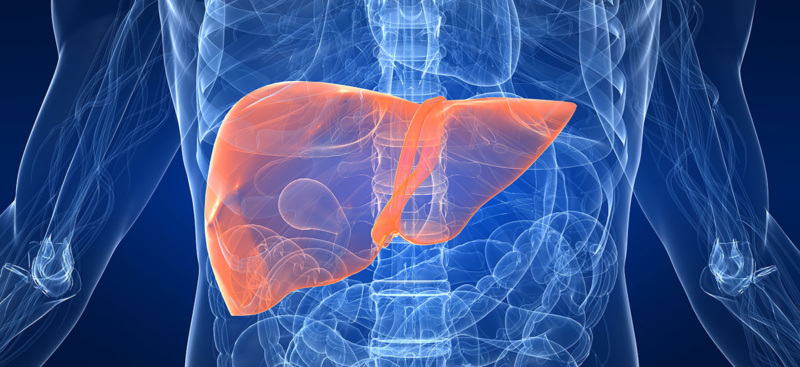
肝臓がん

それは何ですか?

肝臓がんは肝臓の細胞から発生するがんです。肝臓がんの大半の原因となるウイルス、B 型肝炎と C 型肝炎から身を守ることで、多くの場合は予防できます。

You can greatly reduce your risk of liver cancer by protecting yourself from these viruses or diagnosing and treating an infection early. B型肝炎、C型肝炎と肝臓がんの関連性について詳しく学びましょう。

Early Detection = Better Outcomes®, so it’s important to get vaccinated and screened, reduce your risk, and talk with your health care provider about your health history.

Multiracial group of happy senior people taking a selfie with a cell phone in a recreational room.

ワクチン接種と検査を受ける

There is no routine screening for liver cancer, but you can protect yourself against the hepatitis B and hepatitis C viruses, the leading causes of liver cancer. Get vaccinated* and screened** according to these guidelines:

*Source: American Academy of Family Physicians’ vaccination schedule
**Source: Centers for Disease Control and Prevention screening guidelines

全年齢: B型肝炎ワクチン接種

The hepatitis B vaccine should be given in three doses between birth and 6-18 months of age. All medically stable infants should be vaccinated against hepatitis B.

If you were never vaccinated for hepatitis B, talk to your health care provider about getting vaccinated now with a two-dose or three-dose vaccine. The vaccine is recommended for those up to age 59 at average risk and for those ages 60 and older who are at high risk of hepatitis B infection. (Adults ages 60 and up who are at average risk may also get vaccinated.)

成人全員:B型肝炎検査

All adults (18+) should get screened for hepatitis B at least once in their lifetime. Pregnant people should get screened during each pregnancy. People who have ongoing risk factors should have periodic testing. If you test positive, treatments are available.

All adults: Hepatitis C testing

All adults (18+) should be tested for hepatitis C at least once in their lifetime. Those who are pregnant or people of any age with risk factors, including people with human immunodeficiency virus (HIV), should be screened for hepatitis C. People who have ongoing risk factors should have periodic testing.

If you test positive, treatments are available. There is currently no vaccine for hepatitis C.

必要な上映を探す

この情報は、あなたと医療提供者が、どのがん検診が必要か、いつ検診を開始するか、どのくらいの頻度で検診を受けるべきかを判断するのに役立ちます。

始める

リスクを知る

You are at increased risk for liver cancer if you:

  • B型肝炎またはC型肝炎に感染している。
  • アルコールを飲み過ぎてください。アルコールを飲むと肝硬変や肝臓の瘢痕化を引き起こし、肝臓がんを引き起こす可能性があります。
  • タバコ製品を使用する。
  • Are overweight or medically classified as obese.
  • 脂肪肝疾患がある。
  • 2型糖尿病です。
  • 職場で発がん性化学物質にさらされている。

リスクを軽減

次のような生活習慣関連のリスク修正により、肝臓がんのリスクを軽減できる可能性があります。

Icon illustration of a need and syringe.

B型肝炎の予防接種を受けましょう。

Icon illustration of a checklist with a medical cross at the top indicating medical guidelines.

B型肝炎およびC型肝炎の検査ガイドラインに従ってください。

Icon illustration of a stethoscope.

B型肝炎またはC型肝炎感染と診断された場合は治療を受けてください。

Icon illustration of a cigarette with smoke coming from its tip and a large X over it indicating no smoking.

Avoid all forms of tobacco.

If you do, quit. Quitting will have an immediate positive impact on your cancer risk.

Icon illustration of a wine bottle and a wine glass with a large X over it indicating not to drink alcohol.

アルコールを避けるか制限してください。

がんのリスクを減らすには、アルコールを完全に避けるのが最善です。飲酒する場合は、出生時に女性と診断された場合は 1 日 1 杯以内に、出生時に男性と診断された場合は 1 日 2 杯以内に制限してください。

Icon illustration of a condom package.

より安全なセックスを実践しましょう。

Limit your number of partners and use protection/a barrier (such as a condom) every time. Because hepatitis B and C can be spread through vaginal, anal or oral sex, using a new condom the right way every time you have sex can help protect you, but it is not 100% protection.

Icon illustration of a body scale.

健康的な体重を維持してください。

少なくとも週5日、少なくとも30分間運動してください。

兆候と症状

以下の症状に気付いた場合は、すぐに医療提供者に相談してください。

B型肝炎またはC型肝炎の兆候や症状については、 ウイルスと癌のページ.

  • 予想外の体重減少
  • 食欲減少
  • 倦怠感
  • Unexplained nausea and/or vomiting
  • 肝臓の腫大。肋骨の右側の下に塊として感じられる。
  • 脾臓の肥大。肋骨の左側の下に塊として感じられる。
  • 腹部または右肩甲骨付近の痛み
  • 腹部の腫れや体液の蓄積
  • かゆみ
  • 皮膚と目の黄変
  • 異常なあざや出血
  • 腹部の静脈が拡張し、皮膚を通して見えるようになる

治療の選択肢

治療法は、がんの種類と進行度、および病状によって異なります。

手術

肝臓がんの最も効果的な治療法は、がんと周囲の組織を取り除く手術です。これは、肝切除、または部分肝切除、あるいは肝葉切除と呼ばれます。手術には、病気の肝臓を取り除き、ドナーの健康な肝臓と置き換える肝移植も含まれます。

Minimally invasive and localized treatments

Thermal ablation
これは、熱、冷気、電流を使用して腫瘍を攻撃する治療法です。手術の前または後に単独で使用することも、他の治療法と組み合わせて使用することもできます。

腫瘍塞栓術
腫瘍塞栓術は、腫瘍への血液供給を減らす処置です。これにより、症状が緩和され、腫瘍が縮小し、腫瘍の成長が遅くなり、腫瘍の境界が識別しやすくなります。この処置により、手術が簡単になります。

Chemoembolization
When used in combination with tumor embolization, this procedure delivers concentrated chemotherapy or radiation directly to the cancer.

Histotripsy
This procedure uses focused ultrasound waves to break down tumor tissue without requiring any incisions or probes. It can be used alone or in combination with other treatments.

Systemic therapies

化学療法
化学療法では、薬剤を使用して癌細胞を殺します。手術の前または後に、単独で、または他の治療法と組み合わせて使用される場合があります。

放射線治療
この治療法では、高線量の放射線を使用して癌細胞を殺し、腫瘍を縮小します。手術の前または後に単独で、または他の治療法と組み合わせて使用される場合があります。

標的療法
標的療法は、がん細胞の成長、分裂、拡散に影響を与えるタンパク質を標的とする薬剤または抗体です。手術の前または後に単独で、または組み合わせて使用できます。

免疫療法
Immunotherapy is used to target proteins that help the body’s own immune system recognize and destroy cancer cells. This is most often used in combination with another treatment.

最新の

続きを見る