گزینه های غربالگری سرطان کولورکتال: چه چیزی برای من مناسب است؟
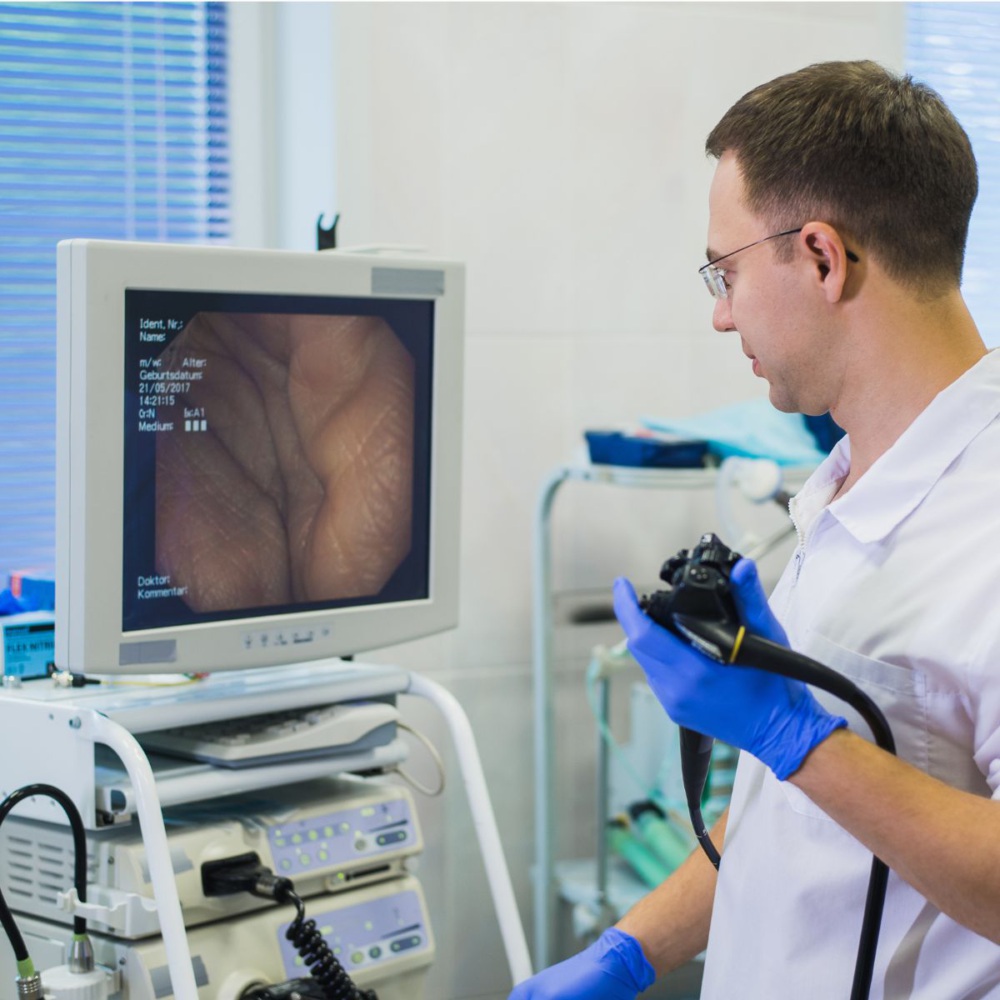
بسیاری وجود دارد سرطان روده بزرگ گزینه های غربالگری - اما کدام یک را انتخاب می کنید؟ با ارائه دهنده مراقبت های بهداشتی خود در مورد گزینه های خود برای انتخاب غربالگری مناسب برای شما صحبت کنید. بهترین غربالگری آنی است که انجام می شود، بنابراین با وجود ناراحتی احتمالی، آن را در تقویم قرار دهید.
توجه: تمام فواصل زمانی مشخص شده برای نتایج آزمایش عادی است. در صورت افزایش خطر ابتلا به سرطان کولورکتال یا در صورت یافتن نتایج غیرطبیعی آزمایش، ممکن است مجبور به انجام آزمایشات مکرر شوید.
تست های بصری
Colonoscopy: Every 10 years
In this procedure, a tube with a light and a camera is inserted through the rectum into the colon to look for irregularities. With this procedure, your doctor can screen for cancer and find and remove precancerous polyps (growths), making it the only colorectal cancer screening type that is preventive. Before a colonoscopy, you would need to prepare by fasting for some time and drinking bowel preparation fluids or taking oral medication to clean out your colon. You are typically sedated during the procedure.
توجه: در صورت انجام هر یک از آزمایشات دیگر و دریافت نتایج غیر طبیعی، باید کولونوسکوپی نیز انجام دهید.
همچنین بخوانید | You never forget your first time…getting a colonoscopy
Virtual colonoscopy: Every five years
Less invasive than a traditional colonoscopy, the virtual colonoscopy is a procedure where your doctor uses a CT-scan to examine the colon for abnormalities. It does require similar bowel prep to the colonoscopy, but no tubes are used and sedation is not required.
Flexible sigmoidoscopy: Every five years
With this procedure your doctor examines only the lower third of the colon (instead of the entirety, as with a colonoscopy). The procedure involves a tube with a camera so the doctor can view the inside of the colon. You would be required to cleanse your bowels with prep ahead of time, similar to the colonoscopy.
آزمایشات مبتنی بر مدفوع
High sensitivity guaiac based fecal occult blood test (HS gFOBT): Every year
With this test, a stool sample is sent to a lab to detect if there are microscopic amounts of blood in the stool. After getting a kit from a health care provider, you can take the test at home and mail your sample. This test doesn’t require any modifications to your diet.
Fecal immunochemical test (FIT): Every year
این آزمایش مبتنی بر مدفوع برای تشخیص وجود خون در مدفوع به آزمایشگاه فرستاده می شود. پس از دریافت کیت از یک ارائه دهنده مراقبت های بهداشتی، می توانید آزمایش را در خانه انجام دهید و نتایج خود را پست کنید. این آزمایش نیازی به تغییر در رژیم غذایی شما ندارد.
Multitarget stool DNA (mt-sDNA) test: Every three years
This stool-based test detects whether there are DNA mutations present in cells in your stool. This test also includes the FIT to look for blood in the stool. You take the test at home and mail your results to the lab.
Multi-target stool RNA (mt-sRNA) test: Every three years
This stool-based test detects whether there are RNA mutations present in cells in your stool. This test also includes the FIT to look for blood in the stool. You take the test at home and mail your results to the lab.
Blood-based tests
Blood test: Every three years
The blood-based test is recommended only for those who have declined or have not completed a visual or stool-based screening test. It requires having your blood drawn at a doctor’s office or lab. The blood sample is checked for DNA that could signal cancer.
For more information on colorectal cancer signs, symptoms and screening options, visit preventcancer.org/colorectal.