DETECCIÓN TEMPRANA = MEJORES RESULTADOS®
Formas de prevenir el cáncer
¿Sabía que muchas decisiones que toma todos los días pueden reducir su riesgo de padecer varios tipos de cáncer?
Las investigaciones muestran que hasta 50% de los casos de cáncer y alrededor de 50% de muertes por cáncer se pueden prevenir con el conocimiento que tenemos hoy.
A continuación se presentan ocho formas de reducir el riesgo de cáncer o detectar el cáncer en sus etapas iniciales, lo que conduce a mejores resultados.
1. Conozca su historial de salud familiar y hágase los exámenes de detección de cáncer recomendados.
Comparta su historial médico familiar con su proveedor de atención médica y analice las pruebas de detección del cáncer. Algunas pruebas pueden ayudar a detectar el cáncer en sus etapas iniciales, cuando es más probable que el tratamiento tenga éxito, y algunas también pueden detectar condiciones precancerosas antes de que se conviertan en cáncer. Si bien se ha demostrado que las pruebas de detección salvan vidas, es posible que las pautas de detección no sean “únicas para todos”.
2. Avoid or limit alcohol
Drinking alcohol is linked to several cancers, including breast, colorectal, esophageal, oral and liver cancers. To reduce your risk of cancer, it’s best to avoid alcohol completely. If you do choose to drink, limit your drinking to no more than one drink a day if you were assigned female at birth, and no more than two drinks a day if you were assigned male at birth. The more you drink, the greater your risk of cancer. Even small amounts of alcohol might increase your risk.
3. Avoid all forms of tobacco
Tobacco use (including cigarettes, vapes/e-cigarettes, cigars, hookah, chewing tobacco and more) has been linked to many types of cancer, including lung, colorectal, breast, throat, cervical, bladder, mouth and esophageal cancers. It’s best to never start using tobacco, but if you do use tobacco products, it’s never too late to quit. According to the American Cancer Society, cigarette smoking rates reached a historic low of 9%-11% in the U.S. in 2025. However, smoking still accounts for about 30% of all cancer deaths. About 80%-90% of all lung cancers are related to cigarette smoking.
Nonsmokers who are exposed to secondhand smoke are also at risk for lung and other types of cancer, as well as other diseases. E-cigarettes and vaping products can also cause serious health risks and can lead to addiction or serve as a gateway to other tobacco products. The Prevent Cancer Foundation stands firm in discouraging the use of todo tobacco products.
4. Protect your skin from the sun
El cáncer de piel es el diagnóstico de cáncer más común en los EE. UU. y es uno de los cánceres más prevenibles. La exposición a la radiación ultravioleta del sol causa la mayoría de los cánceres de piel. Asegúrese de utilizar protección solar adecuada durante todo el año. Nunca utilice camas solares interiores.
5. Eat a plant-forward diet
Eat lots of fruits, vegetables, beans and whole grains. Limit red meat (such as beef, pork or lamb) and foods high in salt. Avoid processed meats (such as bacon, sausage, hot dogs or cold cuts) and drinks with added sugar.
The antioxidants in fruits and vegetables can help prevent DNA damage, and the phytochemicals and fiber have properties that can stop or slow the growth of cancer cells.
6. Mantenga un peso saludable y sea físicamente activo
Obesity is linked to many cancers, including those of the endometrium, liver, kidney, pancreas, colon and breast (especially in post-menopausal women). Excess body fat promotes tumor growth throug hchronic, low-level inflammation, higher estrogen levels, and increased insulin resistance.
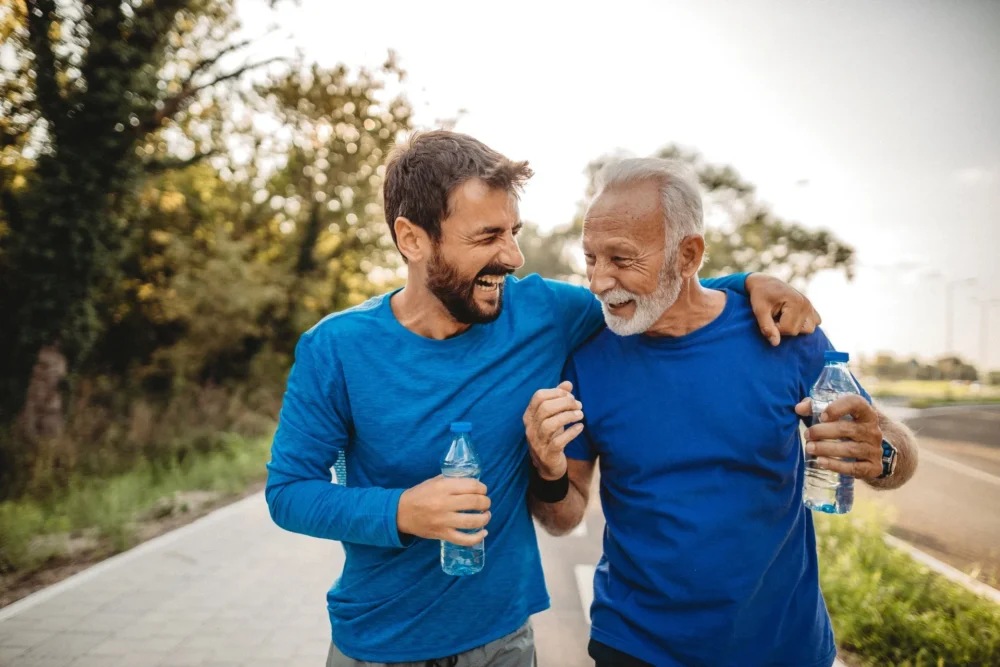
Getting at least 30 minutes of physical activity at least five days a week can make a big difference in your general health and well-being and can help in maintaining a healthy weight. Make it a priority to move more and sit less. If you spend most of your time at work sitting at a desk, for example, find a way to get up and move around every hour.
Physical activity is linked to a lower risk of colorectal, breast and endometrial cancers, and there is some evidence that also links it to reducing the risk of other cancers. Add exercise to your routine to reduce stress, increase energy, boost your immune system, maintain a healthy weight and reduce your risk of cancer.
7. Practice safer sex, such as limiting your number of partners and using protection/barrier (such as a condom) every time
Certain types of the human papillomavirus (HPV) can cause cervical cancer, oropharyngeal cancer (cancer of the back of the throat, including the base of the tongue and tonsils) and at least four other types of cancer. Because HPV is spread through vaginal, anal or oral sex, using a condom the right way every time you have sex can help protect you, but it is not 100% protection.
The hepatitis B and hepatitis C viruses can be spread from person to person through sex or blood (for example, by sharing needles and syringes for injection drug use). The hepatitis B and hepatitis C viruses can cause long-term liver infection that can increase your chance of developing liver cancer. Avoid risky behaviors and practice safer sex to decrease your risk of hepatitis B or hepatitis C and liver cancer.
8. Vacúnate contra el VPH y la hepatitis B.
Getting vaccinated can protect you from certain viruses that are linked to cancer. One of these viruses is HPV. All children should get vaccinated against HPV between ages 9-12, and older teens and young adults (ages 13- 26) who have not been vaccinated can get a “catch-up” vaccination series.
In the U.S., most liver cancers are linked to hepatitis B or hepatitis C. A hepatitis B vaccine is available and is recommended for all children and adults up to age 59, as well as adults age 60 and over who are at high risk for hepatitis B infection. Testing and treatment are available for both hepatitis B and hepatitis C.

Screening reminders from Earl E. Bird
Empower yourself to stay ahead of cancer and get reminders on your personal calendar. Detección Temprana = Mejores resultados®