Multiple skin cancers changed Cheryl’s life—here’s what she wants you to know.
Cheryl Marker is a skin cancer survivor and a dedicated advocate for sun protection, skin cancer prevention and early detection. Through her social media platforms, she shares urgent messages encouraging young people to make safer choices around sun exposure and to prioritize regular skin checks.
After navigating chronic illness and pain for years, I never expected cancer to be added to my list of diagnoses at only 37 years old.
Growing up in Arizona, where sunshine and ultraviolet (UV) radiation are among the highest levels in the United States, I had plenty of sun exposure. As a teenager, I rarely protected my skin: I used tanning beds and got frequent sunburns. But I never imagined those choices could become part of my story later in life.
In August 2022, at 36 years old, I got my first-ever skin check. I expected to walk out of the dermatologist’s office with nothing to worry about. Instead, I left awaiting the results of two biopsies.
LEER TAMBIÉN | Nunca olvidas tu primera vez: hacerte un chequeo de la piel
Both biopsies came back as atypical dysplastic nevi, which are moles that are not cancerous but do have irregular features. Because these spots are at increased risk for later becoming melanoma, the deadliest type of skin cancer, I had them surgically removed. The recovery was difficult, with my body rejecting the stitches and eventually requiring wound care.
This experience prompted me to learn more about skin cancer and start paying closer attention to my own skin. Here’s what I learned:
You should check your skin about once a month for anything out of the ordinary and become familiar with spots and areas on your skin that may show signs of changes.
Follow the ABCDE rule when it comes to spotting irregular moles. During one of my routine skin checks at home, I noticed a mole on my face—one that I had for as long as I could remember—which started to look darker than my other moles.
You can reduce your risk of skin cancer by protecting your skin from the sun, starting in childhood. Don’t make the same choices as I did, and if you have kids, start practicing sun-safety from a young age. This includes wearing protector solar de amplio espectro or sun-protective clothing and never using tanning beds or sun lamps.
LEER TAMBIÉN | A picture can save a life: Danielle’s story
Back to the at mole on my face: When I saw my dermatologist in April 2023 for my rosacea, I asked her to look at it. It didn’t appear concerning, but she offered to biopsy it at my next routine skin check in August. Four months later, I brought it up again. It still didn’t look concerning, but my gut told me I should have it biopsied.
Nine days later, I received the phone call that changed my life: The mole was invasive melanoma. Nothing prepares you for hearing the word cáncer. I knew almost nothing about melanoma, and what I learned while frantically researching only made me more afraid. Search results showed mortality rates, prognosis percentages and the words “the most deadly type of skin cancer.” For a new patient just learning about melanoma, that was very scary to see.
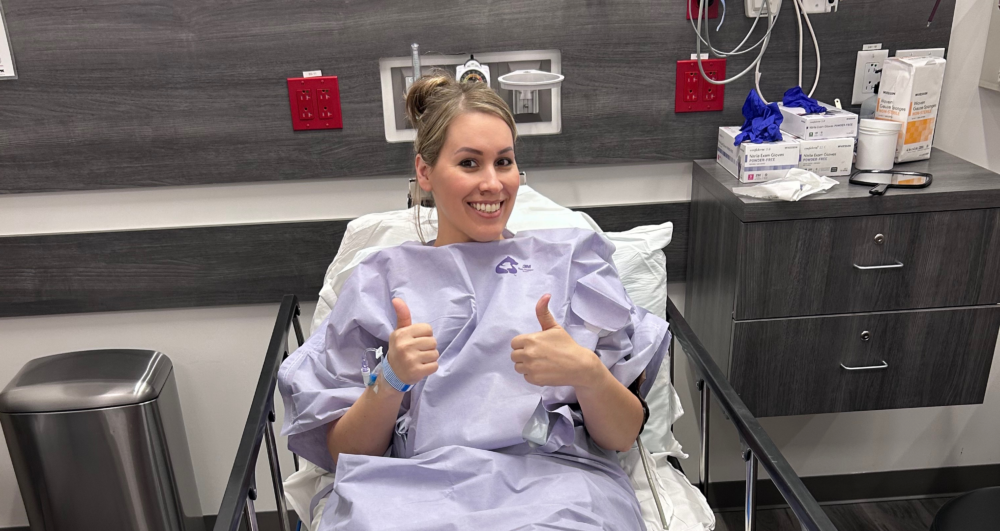
Within two weeks, I had surgery on my face, including a sentinel lymph node biopsy to determine whether the cancer had spread. Thankfully, my lymph nodes were clear, which made my final diagnosis stage 1A melanoma. Recovery was hard, especially because I had young kids at home.
I wish my cancer story ended there. Since then, I’ve had another skin cancer diagnosis, squamous cell carcinoma, and have had six additional atypical mole removals and nine surgeries in total.
But my story has also given me a purpose.
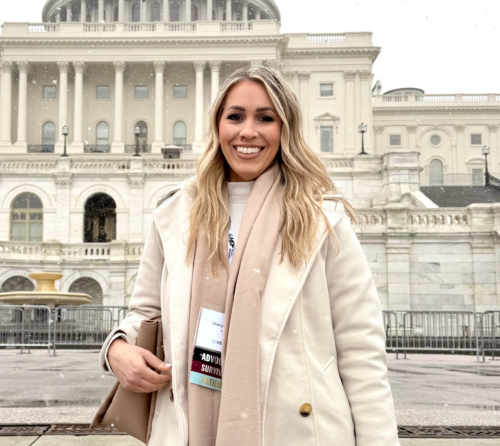
I became passionate about skin cancer education, prevention and early detection. I continue to share my story online, advocate for sun protection and have even taken my advocacy to Capitol Hill with the Melanoma Research Foundation, advocating for increased funding for melanoma research and better access to newer sunscreen ingredients.
Skin cancer is the most common cancer diagnosis in the United States, but it is also one of the most preventable. Everyone is at risk for skin cancer, but certain factors can put you at increased risk, like having fair skin or spending excess time in the sun.
I can’t change the choices I made when I was younger, but I can use my own experience to help someone else make different choices.
If my story encourages even one person to protect their skin, get a skin check or trust their gut when something looks different, then it will always be worth telling.