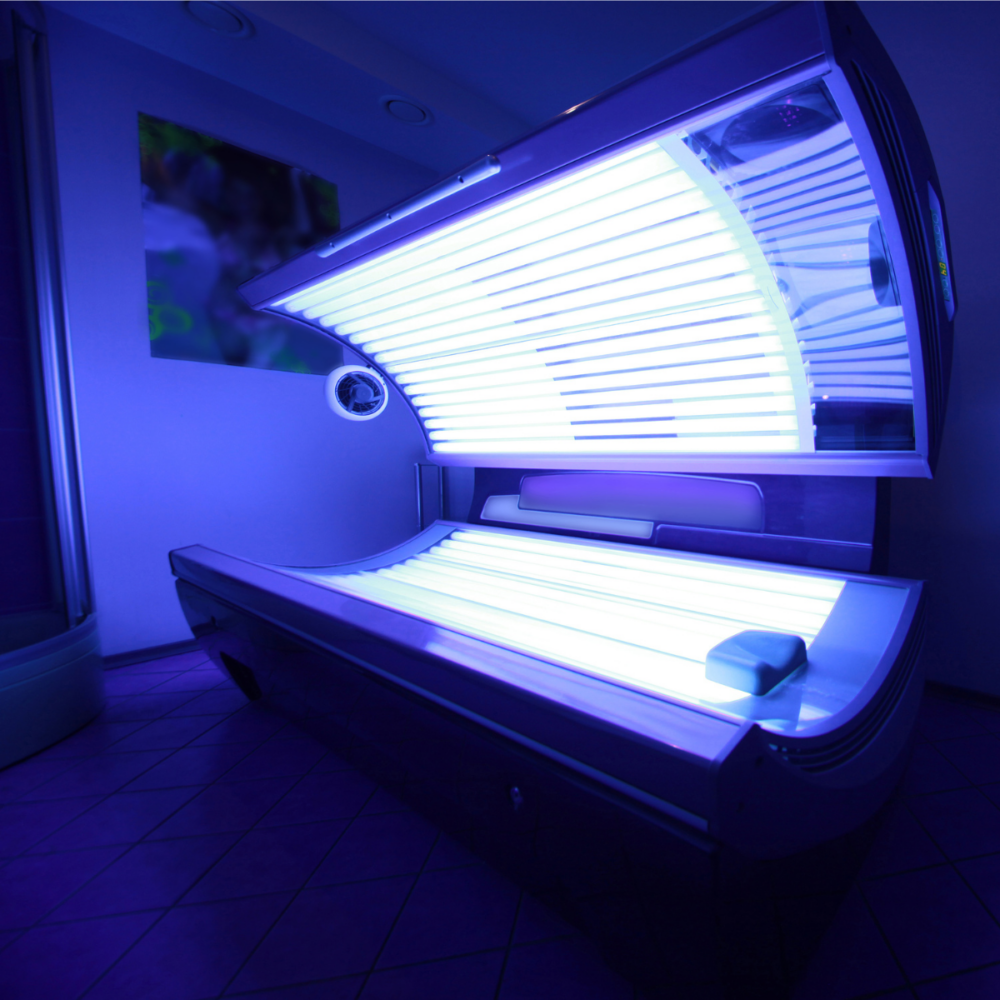
Las camas solares están regresando. He aquí por qué eso es algo malo.
Key takeaways:
- Using a tanning bed exposes you to dangerous ultraviolet (UV) radiation, and people who first use a tanning bed before age 35 increase their risk for melanoma by 75%.
- According to the National Library of Medicine, young adults are the most frequent users—37% of young women have used a tanning bed at least once.
- The idea of a “base tan” that can prevent sunburns is entirely false—all tanning damages your skin. Tanning, whether it be indoors or outside in the sun, also makes your skin age more quickly.
La industria del bronceado en interiores estaba en auge a mediados de la década de 1980. En la década de 2000, la gente empezó a comprender sus efectos negativos y a crear conciencia sobre sus daños. Ahora vuelve a estar de moda.
¿El autor de esta tendencia? Tik Tok. Search for #SunBed on the popular short-form video app and you’ll instantly access 56,000 posts sharing tips from tanning salons and videos of young adults saying they don’t care about the harm tanning causes, as long as they look good. Another common type of video in the tag? Stories of skin cancer patients sharing their regret for using tanning beds. Despite these warnings, many people share on TikTok they’d Prefiero estar resplandeciente y en riesgo que pálido y seguro.
El uso de una cama de bronceado lo expone a una peligrosa radiación ultravioleta (UV) y es inequívocamente inseguro. De hecho, las personas que utilizan por primera vez una cama solar antes de los 35 años aumentan su riesgo de melanoma en un 75%.
But while more people know to wear sunscreen, hats and lip balm when outdoors to reduce their risk of skin cancer, many are fooled into thinking indoor tanning is a safe alternative to sun exposure—especially when their tanning salon is part of their health club. Gyms like Planet Fitness have membership options that include tanning beds, promoting a false association between fitness, health and tanning.
Otros mitos sobre el bronceado incluyen que el bronceado en interiores le dará una “capa base” que puede prevenir las quemaduras solares y que aclarará la piel con imperfecciones. Entonces, ¡desacreditemos un poco! La idea de un “bronceado base” es completamente falsa: todo bronceado daña la piel.1 Tanning, whether it be indoors or outside in the sun, also makes your skin age more quickly, causing wrinkles and age spots. It’s a myth that a nice tan will make you look younger—in fact, the Academia Americana de Dermatología advierte cómo el bronceado acelera drásticamente la rapidez con la que la piel envejece. En cuanto a cubrir las imperfecciones de la piel, el bronceado puede cubrir inicialmente el acné, pero puede causar más brotes después de que desaparezca el efecto.
LEER TAMBIÉN | The dangers behind the “base burn”
Si bien existen regulaciones para menores o prohibiciones totales de camas solares in 44 states and the District of Columbia, the decision to restrict or ban tanning bed use in people under the age of 18 varies by state after a failed attempt to enact a proposed rule by the Food and Drug Administration (FDA) in 2026. According to the National Library of Medicine, young adults are the most frequent users—37% of young women have used a tanning bed at least once.2 Ya sea que te des cuenta o no, es probable que alguien en tu vida haya usado una cama solar antes. Si puedes pensar en esa persona, dile que no vale la pena.
Las camas solares pueden ser tendencia, pero le instamos a que anteponga su salud. El mejor brillo que puedes tener es el que proviene de un estilo de vida saludable: desde beber agua, mover tu cuerpo y proteger tu piel.
May is Skin Cancer Awareness Month. To learn more about ways to protect your skin — including other harmful effects of tanning beds—visit preventcancer.org/piel.
1https://www.health.harvard.edu/skin-and-hair/are-there-benefits-to-a-base-tan