What you need to know about lobular breast cancer
Key takeaways:
- Invasive lobular breast cancer (ILC) is the second most common type of breast cancer and causes abnormal cells to clump together and form a tumor in the milk-producing glands of the breast called the lobules.
- Symptoms of ILC can be similar to other types of breast cancer, but they may occur without a physical lump felt. And since ILC is hard to spot in mammograms and ultrasounds, it is often diagnosed in later stages.
- All women ages 40 and over should get screened annually for breast cancer with a 2D or 3D screening mammogram, or begin earlier or get screened more frequently if you are at increased risk.
Actor, writer and advocate Amanda Peet announced in March of 2026 that she was diagnosed with cáncer de mama in late summer 2025. In a deeply personal essay for The New Yorker, Peet detailed her diagnosis—lobular, hormone-receptor-positive and HER2-negative breast cancer. In her essay, she noted she was unfamiliar with the term “lobular,” looking it up online right away. Although lobular breast cancer isn’t rare, you may not have heard of this type either.
What is lobular breast cancer?
Invasive lobular breast cancer (ILC) is the second most common type of breast cancer (after ductal breast cancer), accounting for 15% of new breast cancer cases in the United States. Unlike ductal breast cancer, which causes abnormal cells to clump together and form a tumor in the milk duct of the breast, ILC grows in the milk-producing glands of the breast called the lobules. ILC cells grow in lines, or strands, or scattered, unattached cells. These two reasons can make ILC more difficult to detect on a mammogram.
LEER TAMBIÉN | What’s it like to get a mammogram?
What are the symptoms of lobular breast cancer?
According to Memorial Sloan Kettering Cancer Center, you may experience changes in certain areas of the breast, including:
- Dimpling, puckering or redness of the skin
- Changes in breast shape or size
- An area of hardness, fullness or swelling
- An inverted nipple or discharge from the nipple
Symptoms of ILC can be similar to other types of breast cancer, but they may occur without a physical lump felt. If you experience any of these symptoms, talk to your health care provider right away.
LEER TAMBIÉN | Is it breast cancer? Know what is normal for you
How can I detect lobular breast cancer?
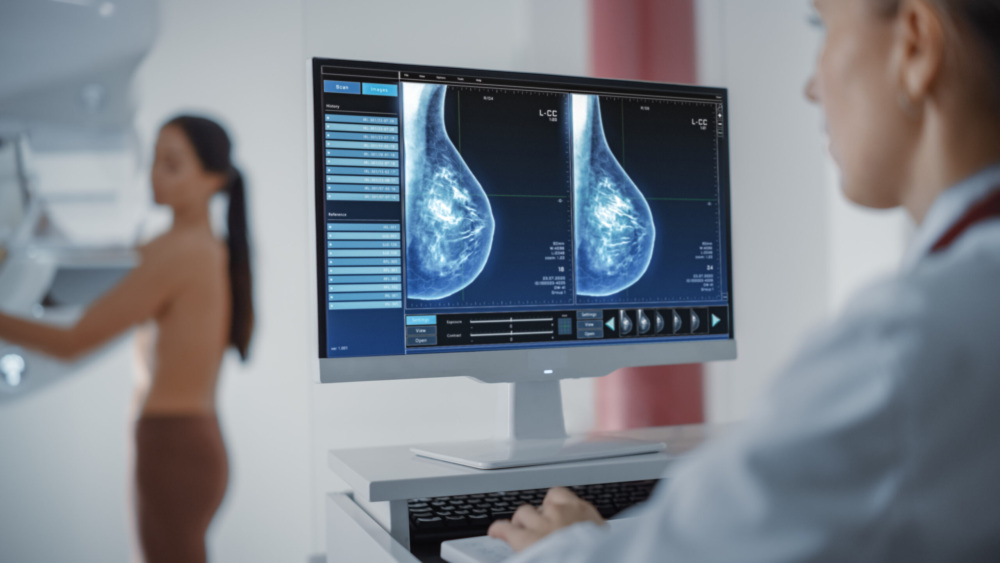
Since ILC is hard to spot in mammograms and ultrasounds, it is often diagnosed in later stages. According to the Breast Cancer Research Foundation, research indicates that a Magnetic Resonance Imaging (MRI) scan might be a better tool for detecting ILC; however, MRIs are not a standard, routine screening tool for those of average risk.
LEER MÁS | What you need to know about the Breast Cancer Risk Assessment Tool
It remains important for all women ages 40 and over to get screened annually for breast cancer with a 2D or 3D screening mammogram. If you are at increased risk of breast cancer because of a genetic mutation or personal or historia familiar, you may need to be screened differently, which could include getting screened earlier, more frequently or with additional tests. Pay attention to changes in your body that could be symptoms, and if you notice anything different, talk to your health care provider immediately.
LEER TAMBIÉN | Living with a BRCA mutation: What you need to know about your cancer risk
How can I reduce my risk of breast cancer?
In addition to getting your routine screenings, you can lower your risk of breast cancer by:
- Not using tobacco in any way (If you do, quit now. For help quitting, call 1-800-QUIT-NOW)
- Exercising at least 30 minutes five days a week
- Avoiding or limiting alcohol, and
- Maintaining a healthy weight.
If you are age 25-39, you should be talking with your health care provider at least once every three years for risk assessment, risk reduction counseling and a clinical breast exam.
RELATED | “Detecting my cancer early saved my life”: Grace’s breast cancer story