“How many veterans are getting missed?”: Casey’s journey as a veteran with testicular cancer
I never thought cancer would be part of my story.
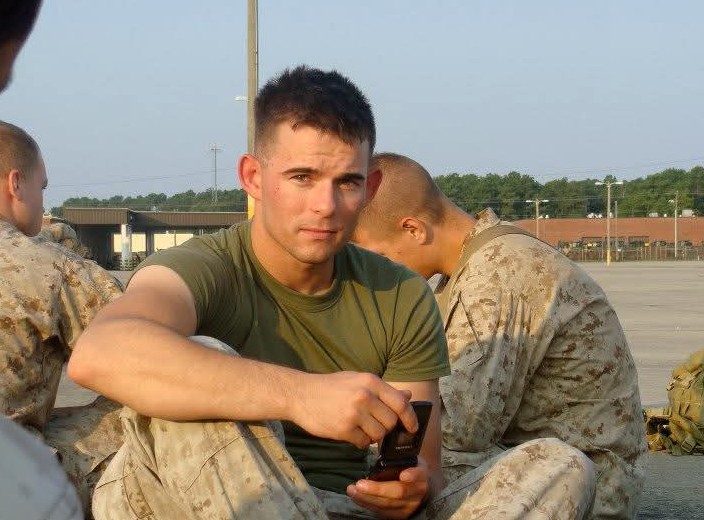
I served in the Marine Corps and was deployed to Iraq in 2009. Like a lot of guys from my unit, I was exposed to toxins we didn’t fully understand at the time, including burn pits.
Back then, you just did your job, completed the mission and moved on. I didn’t think something from my time in the service was going to come back years later and affect my health.
But a 2024 National Institute of Health (NIH) study shows that veterans have higher rates of mama y prostate cancers, among other cancer types, which may be a result of exposure to various chemical or environmental hazards during our service.
RELATED: What all active-duty military members should know about their cancer risk
When the pain first started, I did what most veterans do: I pushed through it. It started as back pain—nothing too severe, but just enough to notice. I was young, active and otherwise healthy, so cancer wasn’t on my radar. My doctor told me it likely wasn’t anything serious. I was only 34, and cancer wasn’t something they were looking for.
But the pain kept getting worse, and eventually landed me in the emergency room in the middle of the night in November 2021. I thought it was possibly a kidney stone or something muscular, but then everything changed fast.
I remember hearing the word “cancer,” and it felt like everything just stopped. I was diagnosed with stage 3A testicular cancer. While testicular cancer is rare, it is most often seen in young people, with the highest rates among people ages 20-39.
By the time the doctors found my cancer, it had already begun to spread. A lymph node near my kidney had grown large enough that it was starting to shutdown other bodily functions. What began as something that didn’t seem urgent turned into something life-threatening.
And then it got worse. During treatment, I developed sepsis, an extreme, overactive response to an infection, which can damage the body’s tissues and organs. I was then transferred to the hospital’s Intensive Care Unit (ICU), reserved for the most critically ill patients.
There were moments when my family didn’t know what the outcome would be. Cancer is one fight, but when your body starts shutting down on top of that, it’s a different level.
We were experiencing the fear, the unknown, the feeling that everything was out of our control.
What stuck with me the most is how fast everything changed: One minute I was a husband and a dad, trying to figure out why I was in pain. The next minute, I was fighting for my life.
Treatment wasn’t easy, and recovery wasn’t quick. There were a lot of hard days, but, little by little, things started moving in the right direction. My body responded to the treatment and got stronger, and eventually, I heard the word every cancer patient hopes for: remission. That could’ve been the end of my journey with cancer, but it wasn’t.
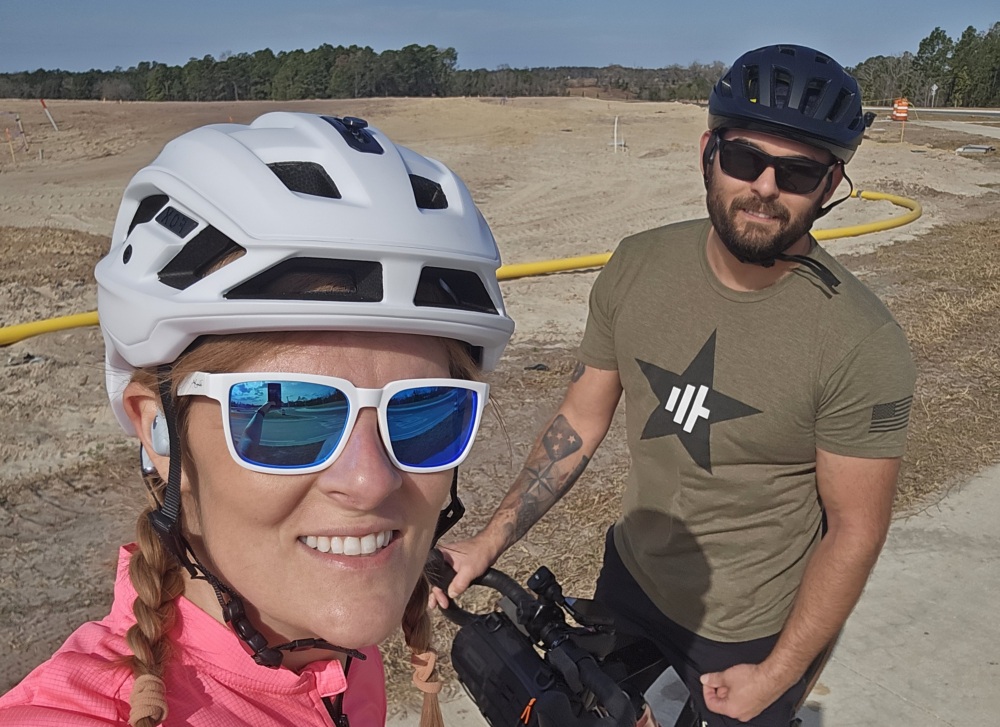
As I continued to recover, my wife, Ashton (also a Marine Corps veteran who was stationed at Camp Lejeune from 2007 to 2015), and I kept asking the same question: How many veterans are getting missed?
I did everything right—I served and stayed physically active—but none of that mattered when it was time to address my symptoms. Cancer wasn’t a part of the conversation with my doctor until it was already advanced. That didn’t sit right with us. That’s why we created the Veteran Cancer Network.
RELATED: What all veterans should know about their cancer risk
What started as a frustration turned into a mission. We’re working to push for early detection, better awareness and a shift in how we look at cancer risk, especially for veterans. A person’s service history, exposure to toxins, and symptoms should matter just as much as age. Veterans shouldn’t have to wait until their condition has advanced to be taken seriously.
Today, our mission has grown larger than just my wife and me. Through events like Pedal for Impact, a 1,000+ mile bike ride to raise awareness and increase outreach, we’re taking this message directly to veteran communities and to Congress, and partnering with the Prevent Cancer Foundation and other organizations to amplify this message. For us, early detection isn’t just a talking point, it’s personal.
I know what a delayed cancer diagnosis can cost. I know what it feels like to sit in an ICU and wonder how it got to this point. And I know that going through something like this changes, your time, your purpose and your priorities.
Cancer is part of my story, but it’s only one chapter. Now it’s the reason I’m raising awareness through Veteran Cancer Network, to make sure other veterans have better outcomes.
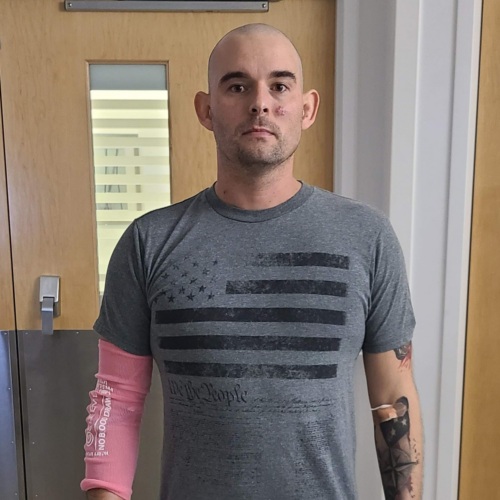
Casey Kroner is a Marine Corps veteran, testicular cancer survivor and co-founder of the Veteran Cancer Network. After being diagnosed with Stage 3A testicular cancer at age 34, Casey turned his experience into purpose and founded Veteran Cancer Network in 2025 with his wife and fellow veteran, Ashton, to advocate for earlier cancer detection for veterans.