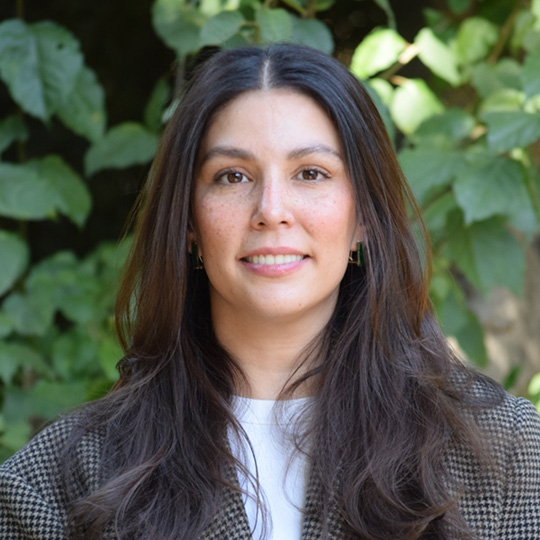
Susana Lozano Esparza, M.D., Ph.D.
የምርምር አጠቃላይ እይታ
Ovarian cancer is often diagnosed at later stages, when treatment options are limited and outcomes are less favorable. Because of this, prevention is especially important. This project asks a key question: Could medications that people already take for other health conditions also lower the risk of ovarian cancer?
Using large population health databases, we will follow women over time to compare cancer outcomes among those who use certain common medications and those who do not. Rather than conducting a traditional clinical trial, which can take years and be very costly, we will use real-world data and advanced study designs that closely mimic clinical trials with real-world data. This approach will allow us to do research efficiently while still maintaining scientific rigor.
If these medications are found to meaningfully reduce ovarian cancer risk, they could offer low-cost, widely available prevention options that can be implemented quickly in routine care. The goal of this research is to identify prevention opportunities that could be scaled more quickly and affordably, especially in settings where access to specialized cancer care is limited. Focusing on prevention, this work aims to shift the conversation from late-stage detection to risk reduction before cancer develops.
My “Why”
My interest in cancer research stems from my experience as a physician and later as an epidemiologist in Mexico. I saw how frequently cancer was detected in later stages, especially among groups who face barriers to timely care. What stuck with me was the gap between what we know can be done and what patients experience in real health systems. Focusing on cancer prevention allows me to work before disease develops, using existing data and treatments to meaningfully reduce risk and future suffering.
የገንዘብ ድጋፍ ለምን ያስፈልጋል
Funding from the Prevent Cancer Foundation is essential for advancing my research and career in cancer prevention. This support allows me to focus on a research agenda centered on scalable, affordable and relevant prevention strategies for women globally, especially in settings where screening and treatment options are limited. Additionally, it enables me to strengthen my knowledge and methodological skills to conduct more rigorous and impactful research.