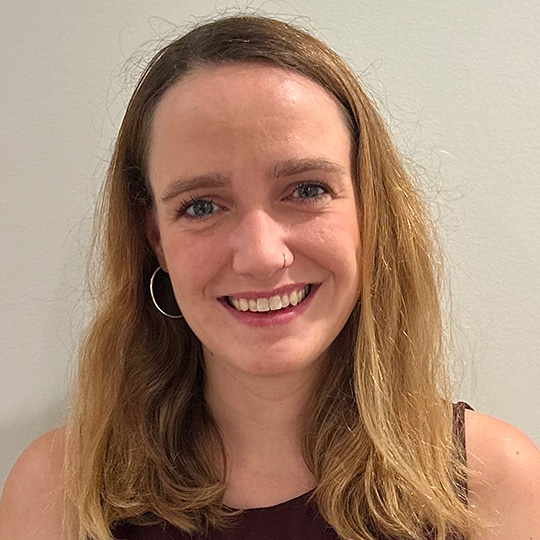
Katharina Körholz, M.D., M.Sc.
የምርምር አጠቃላይ እይታ
Ependymoma is the third most common malignant brain tumor in children, accounting for about 10% of pediatric brain tumor cases. Despite improvements in surgery and radiation, survival rates have changed little in the past 20 years. A key challenge is that these tumors are highly complex and can vary greatly between patients. Even within a single tumor, it can be difficult to find effective, widely applicable treatments.
This project explores a new approach using immunotherapy, which helps the body’s immune system recognize and attack cancer cells. We focus on T cells, a type of immune cell that can be trained to target tumor-specific markers called neoantigens—proteins found only on cancer cells—reducing the risk of damage to healthy tissue.
Building upon previous work with another pediatric brain tumor, we use advanced techniques to identify these targets in ependymoma and test ways to make them more visible to the immune system. We then develop tailored T cells and evaluate their ability to kill tumor cells in preclinical models.
Our goal is to pave the way for more precise, effective and less harmful treatments, ultimately improving survival and long-term outcomes for children with ependymoma.
My “Why”
During my medical studies and early clinical training, I developed a strong interest in oncology. This led me to complete my doctoral thesis in a pediatric cancer research laboratory in Heidelberg, Germany. Although many children with cancer can now be successfully treated, some still do not survive, while others face lifelong side effects. This emphasizes the need for further research and improvement, to which I am highly motivated to contribute. In my work as a pediatrician, I am continuously reminded of the importance of research, what has been achieved and how much remains to be done to improve outcomes for affected children.
የገንዘብ ድጋፍ ለምን ያስፈልጋል
With support from the Prevent Cancer Foundation, I can fully dedicate myself to my research project, which aims to develop new, more effective and less toxic therapies and therapy combinations for pediatric brain tumors.
Through this work, I seek to generate insights that will form the basis for future clinical studies. Ultimately, these efforts are intended to help bring improved treatment approaches into clinical practice, enhancing both survival rates and long-term outcomes for children with brain tumors, while reducing the burden of treatment-related side effects and improving their overall quality of life.