I have Lynch syndrome. Here's how it led to my cancer diagnosis.
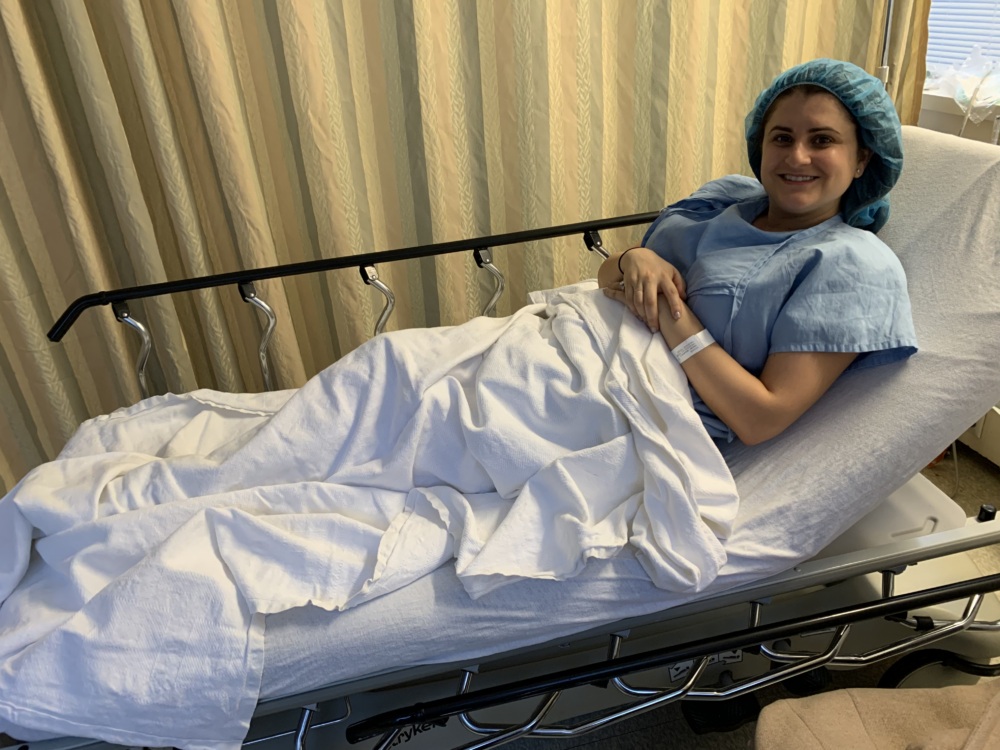
When I was just 30 years old, I received life-altering news: I had uterine (endometrial) cancer. For over a year before my diagnosis, I had been experiencing heavy bleeding that soaked through pads in minutes, painful cramping, exhaustion, and menstrual cycles that lasted up to three weeks. Even though I was young, I knew something was wrong.
I have a family history of Lynch syndrome, a genetic condition that can significantly increase the risk of developing certain types of cancer—most commonly colorectal and uterine cancers—often at younger ages. My father had muir-torre related skin cancer in the early 2010s which led to his formal Lynch syndrome diagnosis shortly thereafter, alerting me to my family history of the condition.
Because I was aware of my increased risk, I trusted my instincts, even when health care providers brushed off my symptoms as hormone–related. I pushed for further evaluation and my persistence finally paid off. I had a hysteroscopy, a minimally invasive procedure to view and treat problems inside the uterus, which revealed endometrioid adenocarcinoma, the most common type of uterine cancer.
After I was diagnosed with cancer, I received genetic testing and was officially diagnosed with Lynch syndrome in April 2018.
A LIRE AUSSI : How genetics affects your cancer risk—and what you can do about it
When deciding treatment options, I faced a difficult decision, and I chose fertility-sparing treatment rather than an immediate hysterectomy (removal of the uterus). For almost two years I endured repeated biopsies, several hysteroscopies and high-dose progesterone therapy to kill the cancer cells and slow cell growth. My fight wasn’t easy, but I held on to the hope that one day, I could still start a family of my own.
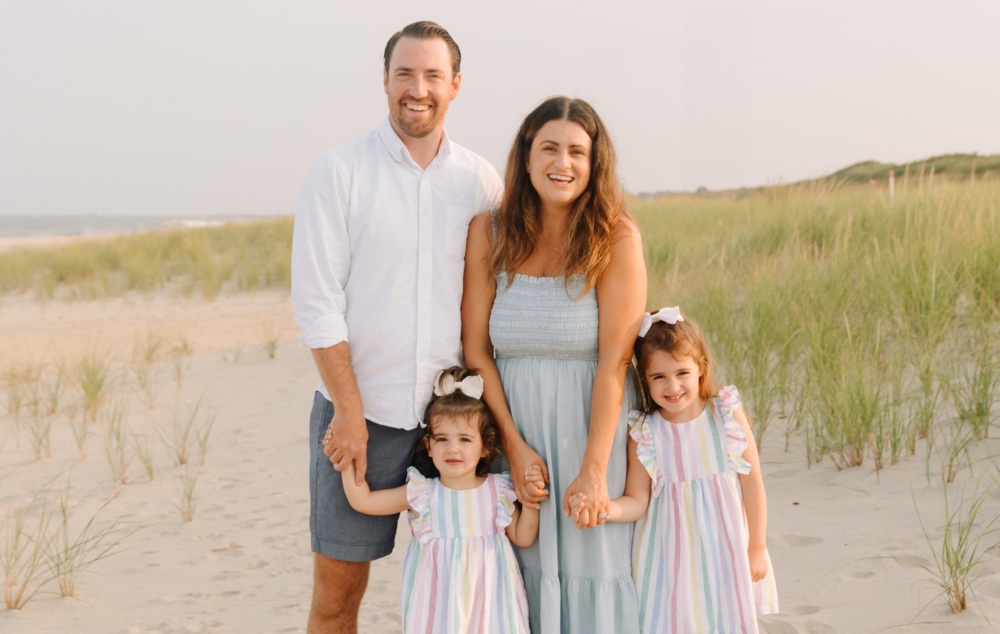
Against the odds, my husband Michael and I welcomed two daughters to our family—I call them my miracles. We had our first daughter in November 2020, and less than two years later, I gave birth to our second daughter in June 2022.
A LIRE AUSSI : Prévenir le cancer peut être une affaire de famille : l'histoire d'Ali
In late 2022, I made the difficult but courageous decision to have a radical hysterectomy, removing my uterus, cervix, fallopian tubes and ovaries. At age 35, I was thrust into surgical menopause, but I was cancer-free and ready to embrace a new chapter.
Today, I am a board-certified health and wellness coach and proud business owner, helping others build healthy, intentional habits and reduce their risk of chronic disease. I also continue to raise awareness about the subtle warning signs of uterine and other Lynch syndrome-related cancers by serving on the board of Lynch syndrome Awareness and Education, a non-profit dedicated to empowering individuals and the medical community with knowledge and resources to navigate living with Lynch syndrome.
My main message is this: I likely wouldn’t be here if I hadn’t listened to my body and pushed for answers. My journey is a clear call to action, urging women to advocate for themselves and insist on care that listens.
Beyond my personal story, my experience underscores a critical, often overlooked fact: There is currently no routine screening test for uterine cancer. Diagnosis depends entirely on recognizing symptoms like abnormal vaginal bleeding, prolonged or heavy cycles, or pelvic pain, and early acknowledgment of warning signs can save lives.
Regardless of your family history or your decision to test for genetic conditions like Lynch syndrome, staying up to date with your routine cancer screenings—even if you aren’t experiencing any signs or symptoms—is so important. It can help catch other types of cancer early, and Détection précoce = meilleurs résultats.
My journey is not just one of survival, it’s about empowerment, resilience and the power of listening to your body. When your body speaks, don’t stop asking questions until someone listens.