Options de dépistage du cancer colorectal : qu'est-ce qui me convient ?
Il y a beaucoup de cancer colorectal options de dépistage, mais laquelle choisissez-vous ? Discutez avec votre fournisseur de soins de santé de vos options afin de sélectionner le dépistage qui vous convient. Le meilleur dépistage est celui qui est réalisé, alors malgré un inconfort potentiel, inscrivez-le au calendrier.
Remarque : Tous les intervalles de temps indiqués concernent les résultats de test normaux. Vous devrez peut-être subir des tests plus fréquents si vous présentez un risque accru de cancer colorectal ou si des résultats de tests anormaux sont détectés.
Tests visuels
Colonoscopy: Every 10 years
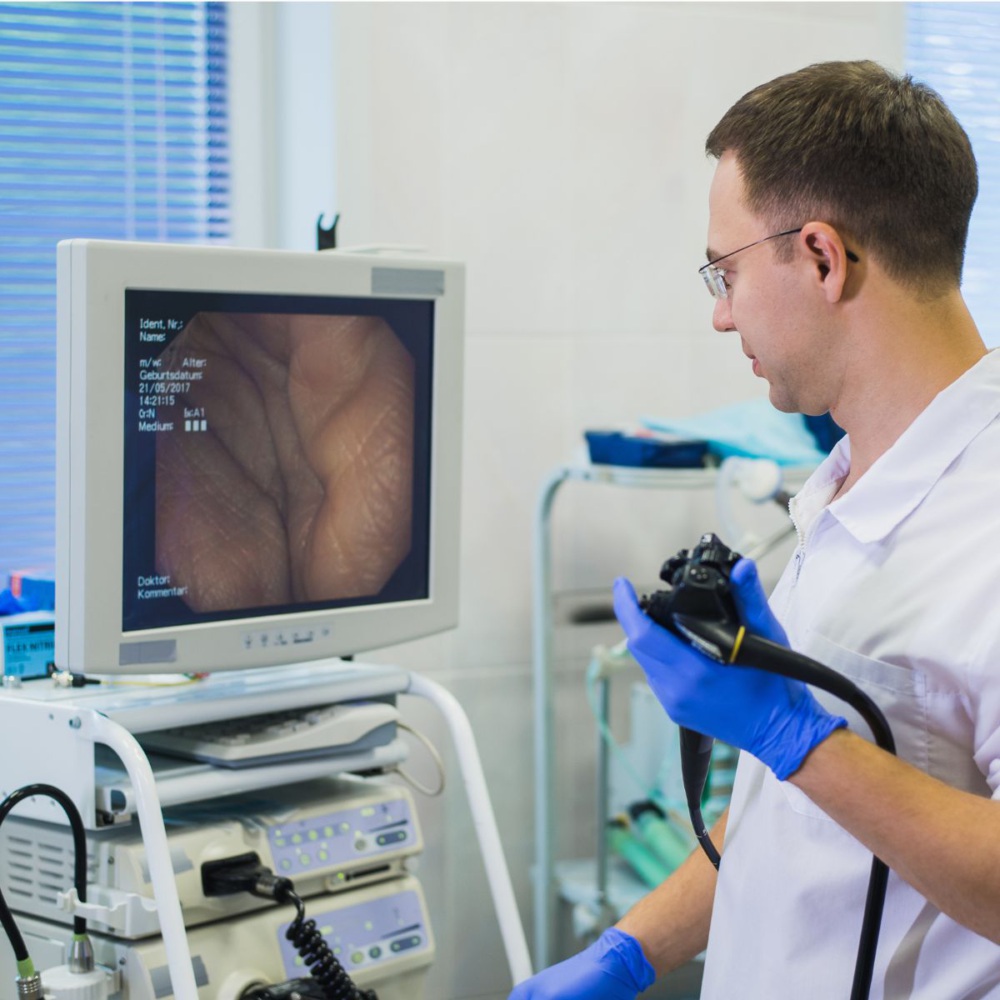
In this procedure, a tube with a light and a camera is inserted through the rectum into the colon to look for irregularities. With this procedure, your doctor can screen for cancer and find and remove precancerous polyps (growths), making it the only colorectal cancer screening type that is preventive. Before a colonoscopy, you would need to prepare by fasting for some time and drinking bowel preparation fluids or taking oral medication to clean out your colon. You are typically sedated during the procedure.
Remarque : Si vous passez l’un des autres tests et obtenez des résultats anormaux, vous devez également subir une coloscopie.
A LIRE AUSSI | You never forget your first time…getting a colonoscopy
Virtual colonoscopy: Every five years
Less invasive than a traditional colonoscopy, the virtual colonoscopy is a procedure where your doctor uses a CT-scan to examine the colon for abnormalities. It does require similar bowel prep to the colonoscopy, but no tubes are used and sedation is not required.
Flexible sigmoidoscopy: Every five years
With this procedure your doctor examines only the lower third of the colon (instead of the entirety, as with a colonoscopy). The procedure involves a tube with a camera so the doctor can view the inside of the colon. You would be required to cleanse your bowels with prep ahead of time, similar to the colonoscopy.
Tests basés sur les selles
High sensitivity guaiac based fecal occult blood test (HS gFOBT): Every year
With this test, a stool sample is sent to a lab to detect if there are microscopic amounts of blood in the stool. After getting a kit from a health care provider, you can take the test at home and mail your sample. This test doesn’t require any modifications to your diet.
Fecal immunochemical test (FIT): Every year
Ce test basé sur les selles est envoyé à un laboratoire pour détecter s'il y a du sang dans les selles. Après avoir reçu une trousse auprès d’un fournisseur de soins de santé, vous pouvez passer le test à la maison et envoyer vos résultats par la poste. Ce test ne nécessite aucune modification de votre alimentation.
Multitarget stool DNA (mt-sDNA) test: Every three years
This stool-based test detects whether there are DNA mutations present in cells in your stool. This test also includes the FIT to look for blood in the stool. You take the test at home and mail your results to the lab.
Multi-target stool RNA (mt-sRNA) test: Every three years
This stool-based test detects whether there are RNA mutations present in cells in your stool. This test also includes the FIT to look for blood in the stool. You take the test at home and mail your results to the lab.
Blood-based tests
Blood test: Every three years
The blood-based test is recommended only for those who have declined or have not completed a visual or stool-based screening test. It requires having your blood drawn at a doctor’s office or lab. The blood sample is checked for DNA that could signal cancer.
For more information on colorectal cancer signs, symptoms and screening options, visit prévenirlecancer.org/colorectal.