Prevent Cancer Foundation opposes ACIP decision on hepatitis B vaccination, urges parents to continue
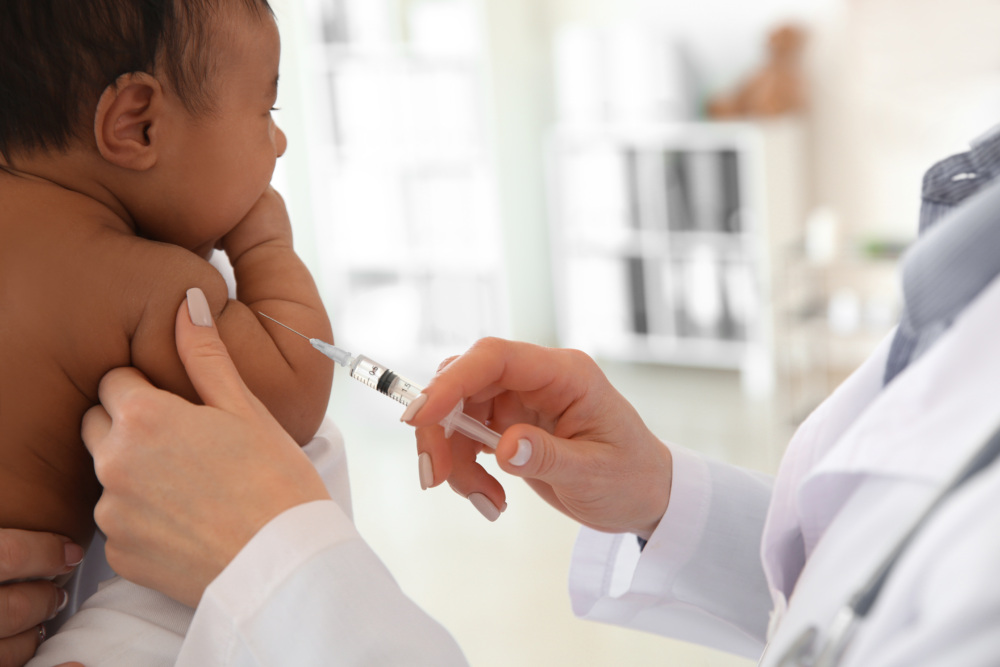
The Advisory Committee on Immunization Practices (ACIP) voted Friday to end the recommendation for universal hépatite B vaccination at birth in the United States. This recommendation has been in place since 1991 to protect infants from hepatitis B and prevent lifelong consequences, including cancer du foie.
La Fondation Prévenir le Cancer® strongly opposes the committee’s decision, which will undoubtedly increase health disparities and preventable deaths.
Early vaccination is critical
Infants exposed to hepatitis B have a 90% chance of developing chronic infection, greatly increasing their lifetime risk of cirrhosis and liver cancer.1 Hepatitis B is a leading cause of liver cancer worldwide, and one of the best ways to prevent liver cancer is to protect yourself from the viruses that can cause it, including hepatitis B.
The hepatitis B vaccine is safe
The hepatitis B vaccine is safe, effective and well-studied. Since universal vaccination at birth began, it has reduced infant hepatitis B cases by 95% and prevented an estimated 90,100 childhood deaths.2 Over four decades of research from the Centers for Disease Control and Prevention (CDC), of which ACIP is part, show only mild side effects.3 The vaccine has been administered over one billion times worldwide, providing lasting protection.4
ACIP’s decision to eliminate the universal birth dose in favor of a more targeted approach—vaccinating only infants born to mothers infected with hepatitis B—is not feasible or realistic in the United States, where there are significant gaps in screening and care. With universal vaccination, we were able to ensure that no infant—no person—falls through the cracks.
Despite ACIP’s recent recommendation change, which threatens progress in protecting children from hepatitis B and liver cancer, the Prevent Cancer Foundation continues to emphasize the vital role of hepatitis B vaccination at birth and to educate parents and communities about its lifesaving importance.
If you are pregnant, talk to your health care provider and request the hepatitis B vaccination for your newborn.
For more information on the link between hepatitis B and liver cancer, as well as other viruses linked to cancer, visit preventcancer.org/viruses.
1 Centers for Disease Control and Prevention. (2025). Clinical overview of perinatal hepatitis B. Centers for Disease Control and Prevention. https://www.cdc.gov/hepatitis-b/hcp/perinatal-provider-overview/index.html
2 Colbourne, J. (2025, October 20). Changing the hepatitis B birth dose recommendation: A critical look. National Foundation for Infectious Diseases. https://www.nfid.org/why-we-give-hepatitis-b-vaccines-to-infants/
3 Centers for Disease Control and Prevention. (2024). Hepatitis B vaccine safety. Centers for Disease Control and Prevention. https://www.cdc.gov/vaccine-safety/vaccines/hepatitis-b.html#cdc_generic_section_6-common-side-effects
4 Centers for Disease Control and Prevention. (2024). Hepatitis B vaccine safety. Centers for Disease Control and Prevention. https://www.cdc.gov/vaccine-safety/vaccines/hepatitis-b.html#cdc_generic_section_6-common-side-effects