FRÜHE ERKENNUNG = BESSERE ERGEBNISSE
Hautkrebs, which includes melanoma, basal cell and squamous cell carcinomas, is the most common cancer diagnosis in the U.S. and is one of the most preventable cancers.
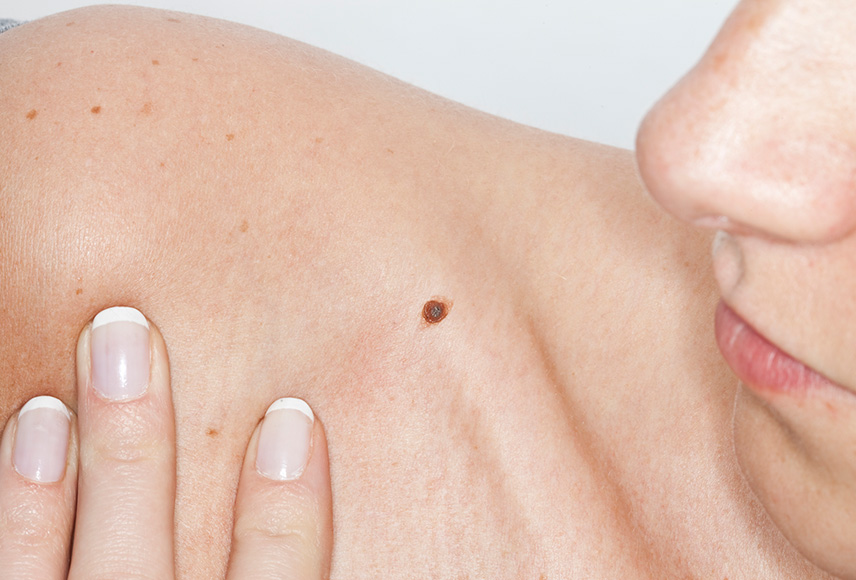
Melanoma is the most dangerous type of skin cancer and can often present as a suspicious mole. It’s important to check your skin for suspicious moles once a month using the ABCDE rule and report anything unusual to your health care provider. It’s also a good idea to have a health care provider examine your skin every year.
Eine Hälfte des Muttermals passt nicht zur anderen
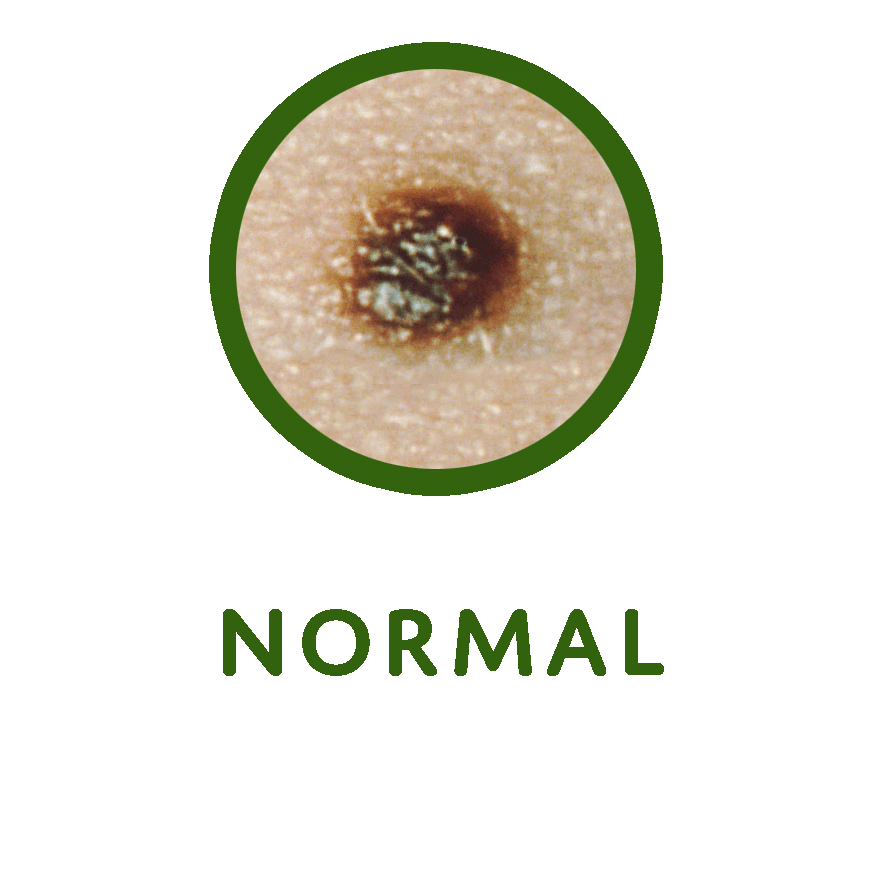
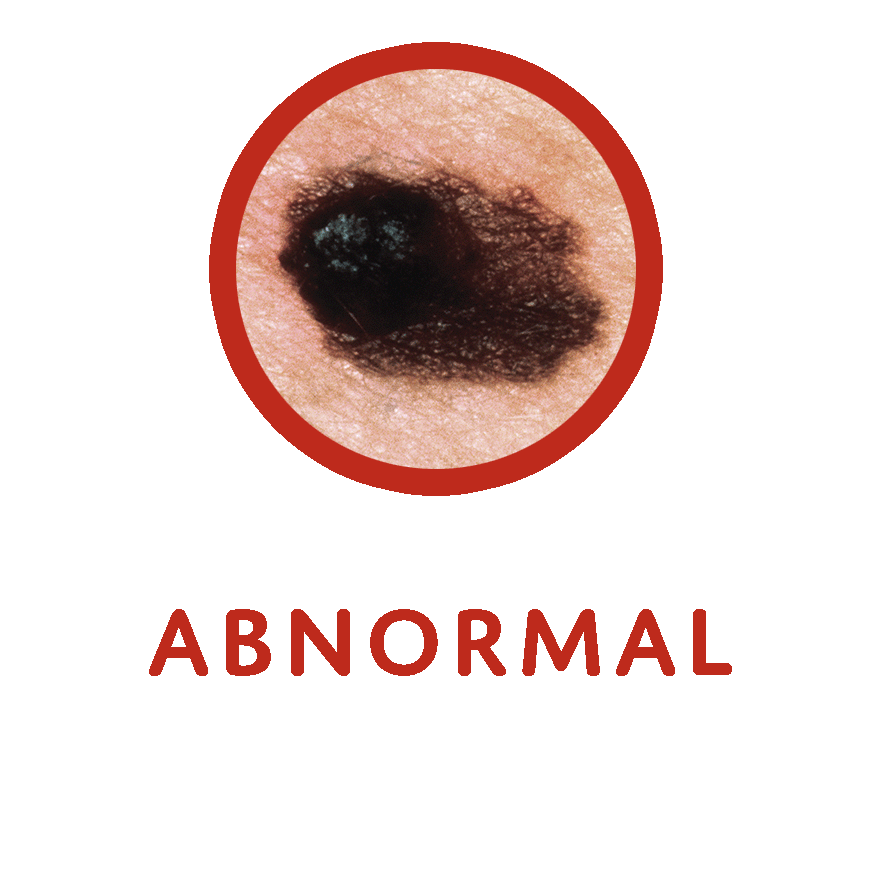
The mole is uneven in shape with jagged, notched or blurred edges
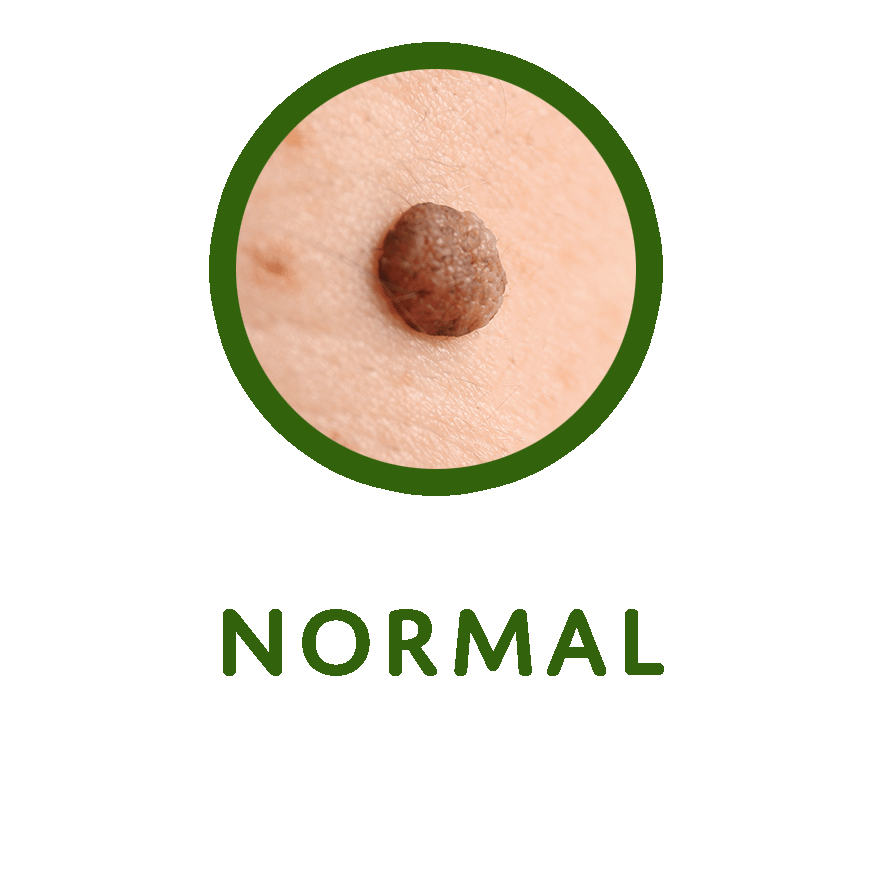
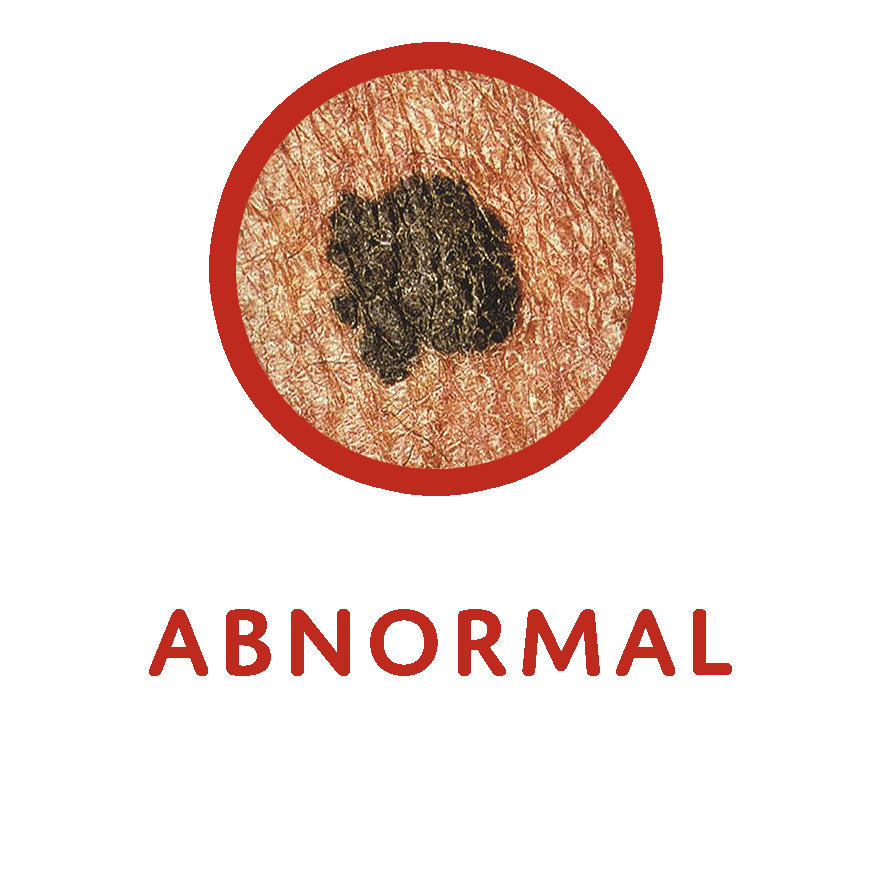
The mole is not consistent in color
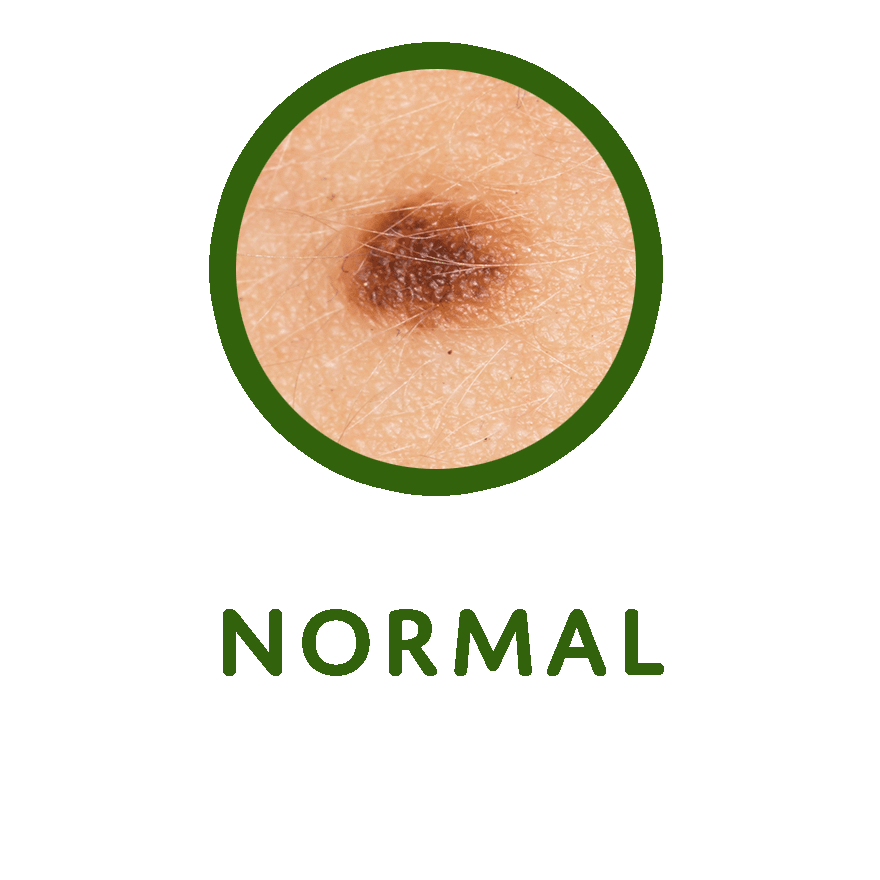
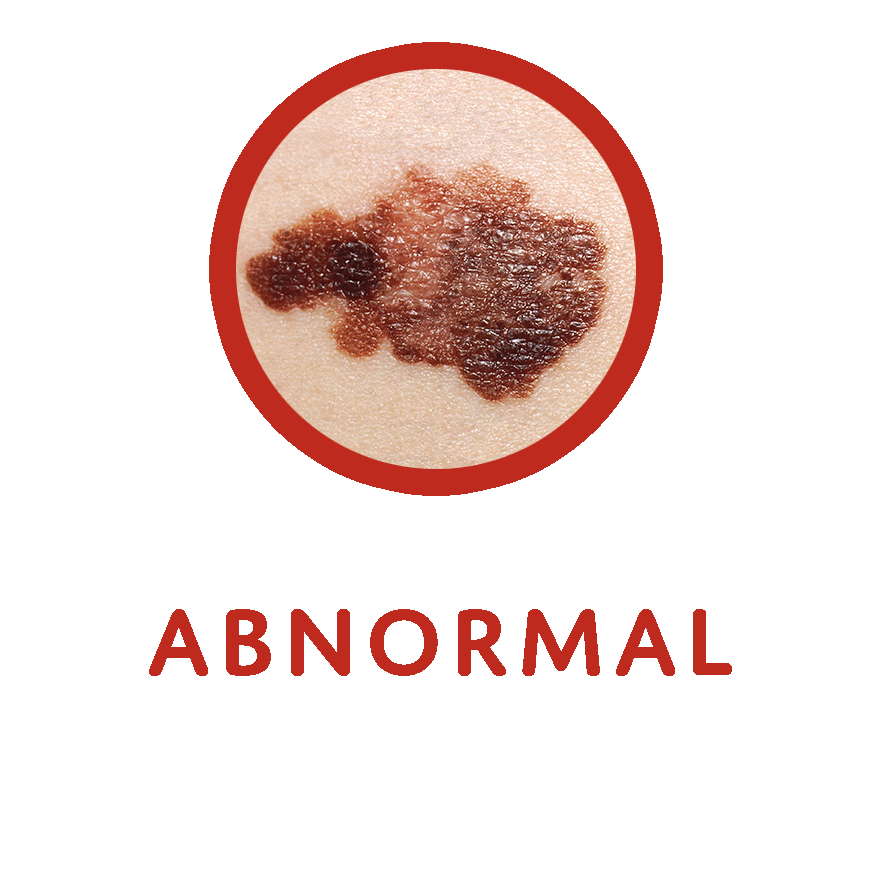
Das Muttermal hat einen Durchmesser von mehr als 6 mm (etwa so groß wie ein Radiergummi).
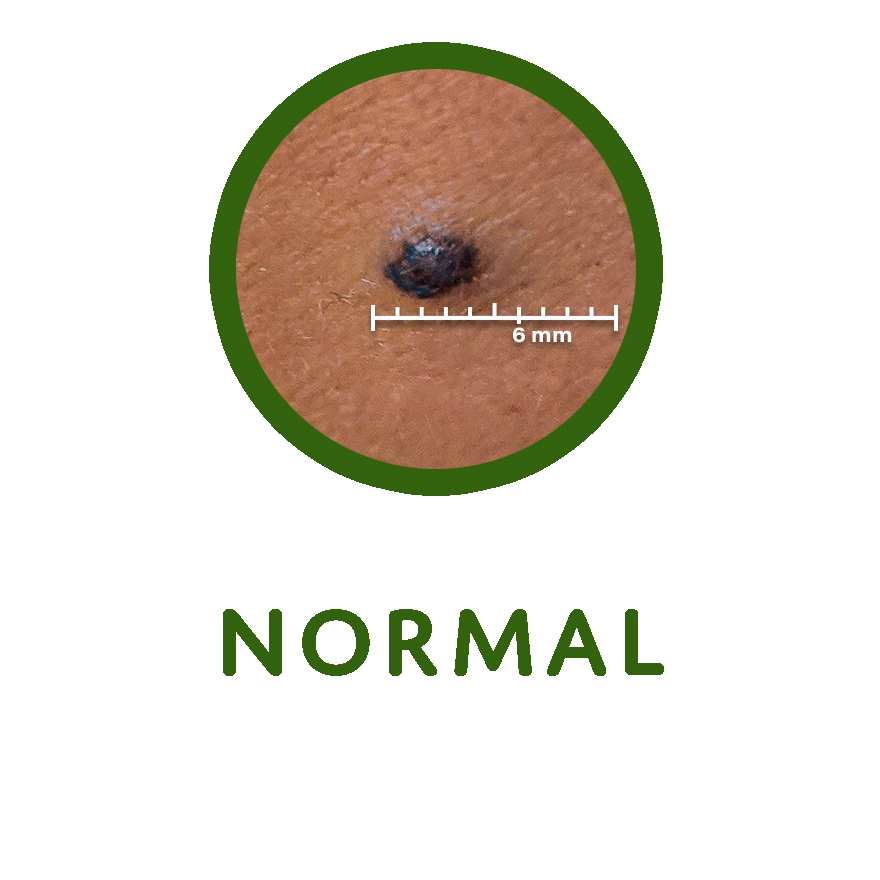
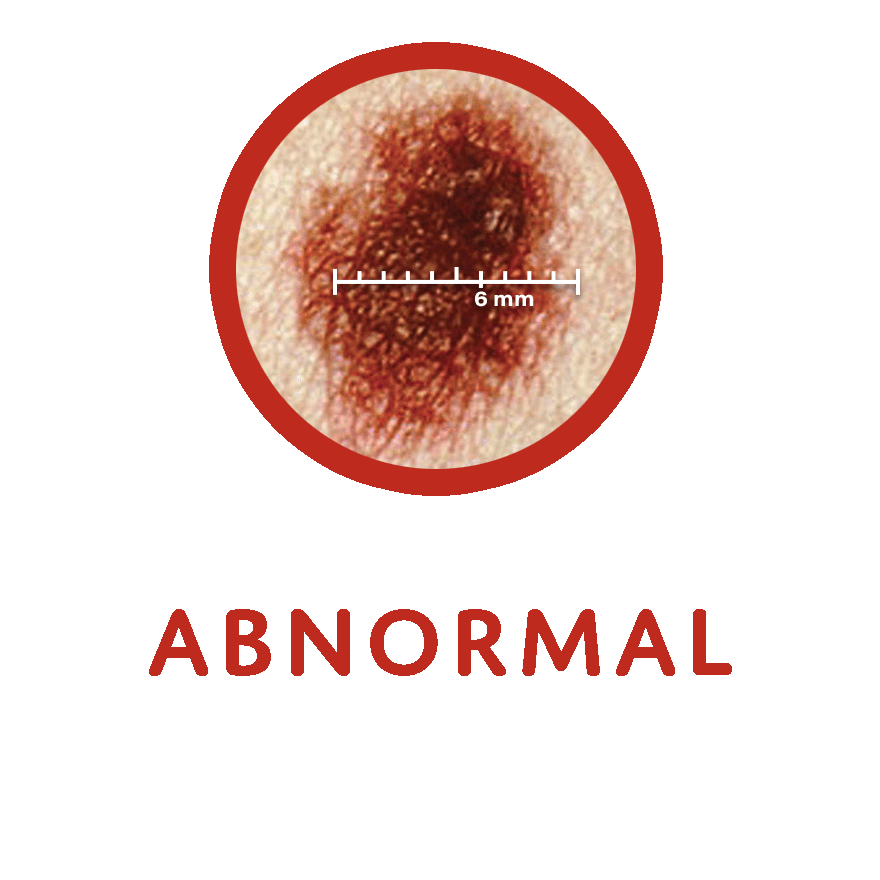
Es gibt eine Veränderung in der Größe, Form, Farbe oder Erhebung des Muttermals oder Sie bemerken neue Symptome (wie Blutungen, Juckreiz oder Krustenbildung)

Click here for information on possible signs and symptoms of non-melanoma skin cancers, including basal and squamous cell carcinomas.
Skin cancer can be harder to identify on darker skin tones as compared to on light or fair skin tones. If you have darker skin, it’s a good idea to have your skin checks done by a health care provider, like a dermatologist, who is experienced in identifying skin cancer on all skin tones and knows what to look for.
Learn more about cancer in darker skin tones